


![CAC removes 247 companies from database [Full List]](https://theprimenews.ng/wp-content/uploads/2025/08/Corporate-Affairs-Commission-CAC-building--600x400.webp)































![‘I love Natasha’ – 2Face announces marriage plans with Edo lawmaker [VIDEO]](https://theprimenews.ng/wp-content/uploads/2025/02/GridArt_20250203_143302913-scaled-1-600x400.jpg)


































![Europa League: 7 teams qualify for Round of 16, knockout stages [Full list]](https://theprimenews.ng/wp-content/uploads/2025/01/258743-1024x538-1-600x400.jpg)



![‘Jesus take the White House’ – Nathaniel Bassey ministers at Trump’s prayer breakfast [VIDEO]](https://theprimenews.ng/wp-content/uploads/2025/01/Nathaniel-Bassey-1024x681-1-600x400.webp)










![Copa del Rey: All 8 teams in quarterfinal confirmed [Full list]](https://theprimenews.ng/wp-content/uploads/2025/01/1126686360.jpg.0-1024x683-1-600x400.webp)



























![‘I’m waiting on the Lord for kids’ – Eniola Badmus [VIDEO]](https://theprimenews.ng/wp-content/uploads/2025/01/Eniola-Badmus-1024x764-1-600x400.webp)

























































![FIFPRO announces nominees for 2024 Men’s World XI [Full list]](https://theprimenews.ng/wp-content/uploads/2024/12/Image_20241202_160846_058-600x391.webp)

















![Jagun Jagun wins big at 2024 BON Awards [FULL LIST]](https://theprimenews.ng/wp-content/uploads/2024/11/20241013_181847-1024x715-1-600x400.jpg)


























The Federation Account Allocation Committee, FAAC, disbursed a total of ₦4.587 trillion to Nigeria’s 36 states between January and August 2025, reflecting the continued dominance of oil-producing states in federal revenue allocation and highlighting the widening financial disparity among subnational governments.
An analysis of the distribution for the eight-month period shows that Delta State received the highest allocation with ₦423.85 billion, followed closely by Rivers State with ₦388.76 billion, while Akwa Ibom ranked third with ₦348.62 billion. Bayelsa State received ₦306.88 billion, finishing as the fourth highest recipient, while Lagos State, the commercial nerve centre of Nigeria, emerged fifth with ₦289.31 billion.
In the northern region, Kano State led with ₦195.12 billion, placing sixth nationally, while Edo and Ondo States ranked seventh and eighth, receiving ₦176.63 billion and ₦171.85 billion respectively. Kaduna, Oyo, Katsina and Borno completed the top twelve allocation beneficiaries.

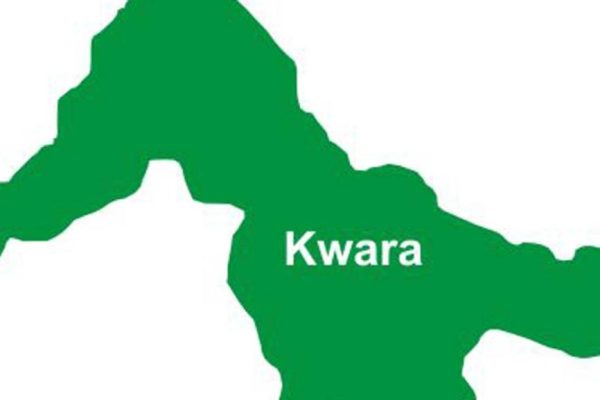
At the middle and lower segments of the allocation chart, states such as Plateau (₦129.83 billion), Anambra (₦128.81 billion), Kwara (₦126.27 billion), Gombe (₦123.74 billion) and Abia (₦122.78 billion) featured, while Enugu, Kebbi, Yobe, Osun and Ekiti followed closely within the lower band.
The least-funded state within the eight-month period was Ogun, which received ₦110.35 billion, although still above the ₦100 billion mark, underscoring a generally robust federal disbursement cycle despite ongoing economic pressures.
Meanwhile, the Federal Capital Territory Administration (FCTA) received ₦121.85 billion, placing it competitively within the same bracket as states like Enugu, Kebbi and Abia.
With a national total of ₦4.587 trillion shared within eight months, analysts say the allocation pattern strongly reflects the interplay between derivation benefits, population indices, revenue capacity, and national fiscal policy. The trend is expected to shape state-level budgeting, debt management, infrastructure rollout, social spending and performance accountability in the coming months as stakeholders intensify calls for transparency, diversification and fiscal discipline across all tiers of government.
States breakdown highest to lowest:
- Delta – ₦423.85 billion
- Rivers – ₦388.76 billion
- Akwa Ibom – ₦348.62 billion
- Bayelsa – ₦306.88 billion
- Lagos – ₦289.31 billion
- Kano – ₦195.12 billion
- Edo – ₦176.63 billion
- Ondo – ₦171.85 billion
- Kaduna – ₦165.03 billion
- Oyo – ₦162.36 billion
- Katsina – ₦153.97 billion
- Borno – ₦151.04 billion
- Bauchi – ₦146.95 billion
- Niger – ₦144.85 billion
- Benue – ₦141.88 billion
- Sokoto – ₦140.62 billion
- Imo – ₦139.25 billion
- Cross River – ₦137.31 billion
- Jigawa – ₦136.18 billion
- Adamawa – ₦131.89 billion
- Zamfara – ₦130.44 billion
- Plateau – ₦129.83 billion
- Anambra – ₦128.81 billion
- Kwara – ₦126.27 billion
- Gombe – ₦123.74 billion
- Abia – ₦122.78 billion
- Enugu – ₦121.87 billion
- Kebbi – ₦120.72 billion
- Yobe – ₦119.88 billion
- Osun – ₦118.03 billion
- Ekiti – ₦116.09 billion
- Taraba – ₦115.03 billion
- Kogi – ₦114.27 billion
- Nasarawa – ₦113.22 billion
- Ebonyi – ₦112.19 billion
- Ogun – ₦110.35 billion
FCT Abuja – ₦121.85 billion
Grand total to the 36 states (Jan–Aug 2025): ₦4.587 trillion