



![CAC removes 247 companies from database [Full List]](https://theprimenews.ng/wp-content/uploads/2025/08/Corporate-Affairs-Commission-CAC-building--600x400.webp)





































![‘I love Natasha’ – 2Face announces marriage plans with Edo lawmaker [VIDEO]](https://theprimenews.ng/wp-content/uploads/2025/02/GridArt_20250203_143302913-scaled-1-600x400.jpg)











































![Europa League: 7 teams qualify for Round of 16, knockout stages [Full list]](https://theprimenews.ng/wp-content/uploads/2025/01/258743-1024x538-1-600x400.jpg)





![‘Jesus take the White House’ – Nathaniel Bassey ministers at Trump’s prayer breakfast [VIDEO]](https://theprimenews.ng/wp-content/uploads/2025/01/Nathaniel-Bassey-1024x681-1-600x400.webp)















![Copa del Rey: All 8 teams in quarterfinal confirmed [Full list]](https://theprimenews.ng/wp-content/uploads/2025/01/1126686360.jpg.0-1024x683-1-600x400.webp)
































![‘I’m waiting on the Lord for kids’ – Eniola Badmus [VIDEO]](https://theprimenews.ng/wp-content/uploads/2025/01/Eniola-Badmus-1024x764-1-600x400.webp)































































![FIFPRO announces nominees for 2024 Men’s World XI [Full list]](https://theprimenews.ng/wp-content/uploads/2024/12/Image_20241202_160846_058-600x391.webp)























![Jagun Jagun wins big at 2024 BON Awards [FULL LIST]](https://theprimenews.ng/wp-content/uploads/2024/11/20241013_181847-1024x715-1-600x400.jpg)

































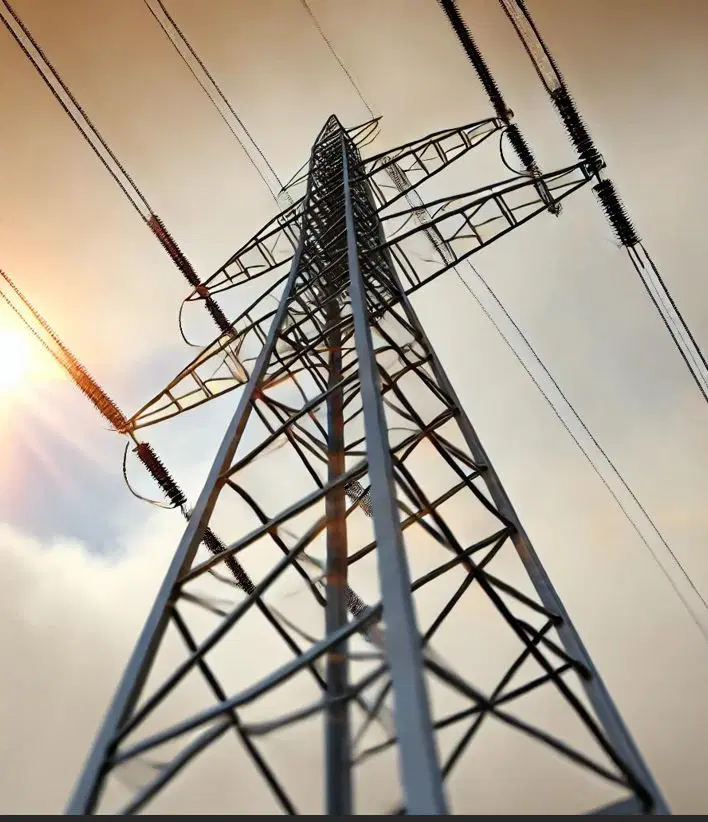
The Federal Government has assured electricity consumers that exporting power to West African countries will not compromise supply to the domestic market.
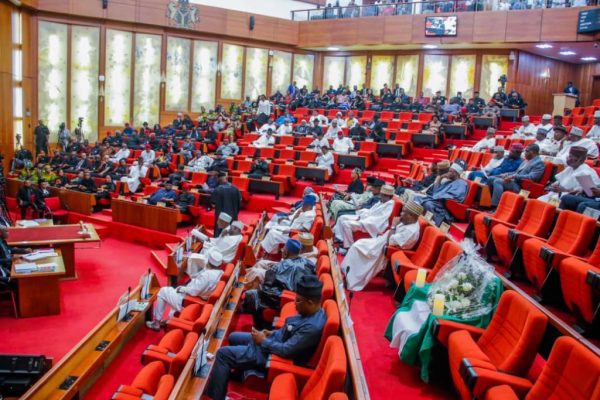
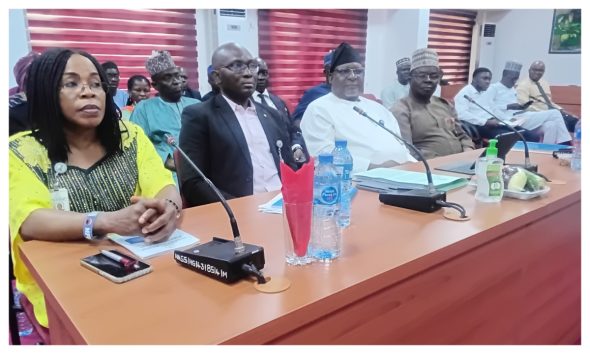
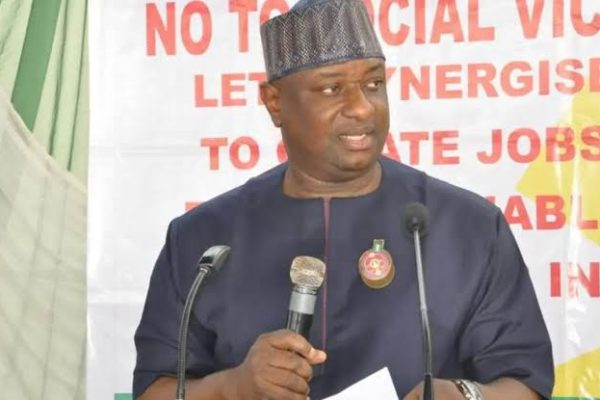
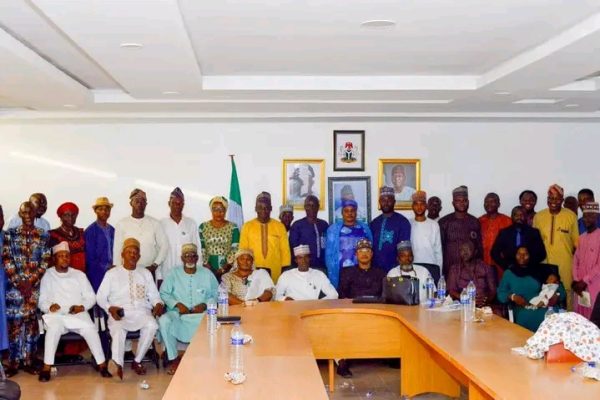
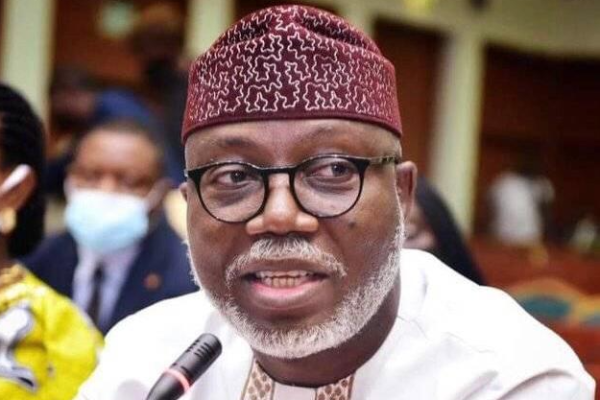
Speaking at the maiden stakeholders’ engagement organized by the Nigerian Independent System Operator (NISO) in Abuja, Minister of Power, Chief Adebayo Adelabu, said Nigeria currently has contracts to supply 600MW to the West African Power Pool (WAPP), though only 360MW is being exported at present. The event carried the theme: “Building a resilient and competitive electricity market – the role of NISO.”
Adelabu highlighted the recent successful synchronization of the Nigerian National Grid with the WAPP system, which operated continuously for four hours without any adverse effects. He described the milestone as proof that disciplined operations, improved communication protocols, and strengthened technical capacity are yielding positive results.

“This positions Nigeria as a credible partner for cross-border energy exchange and a reliable participant in the West African electricity market,” the Minister said, noting that it opens opportunities for competitive energy trading, expanded commercial agreements, and foreign exchange earnings. He added that stable regional markets will attract increased private investment, especially from independent power producers.
He recalled that the previous attempt to synchronize the Nigerian grid with WAPP in 2007 lasted only seven minutes before collapsing.
Despite Nigeria’s installed generation capacity increasing from 13GW to 14GW and achieving an all-time generation peak of 5,801.44MW, Adelabu said load rejection by distribution companies currently limits supply to about 5,000MW.
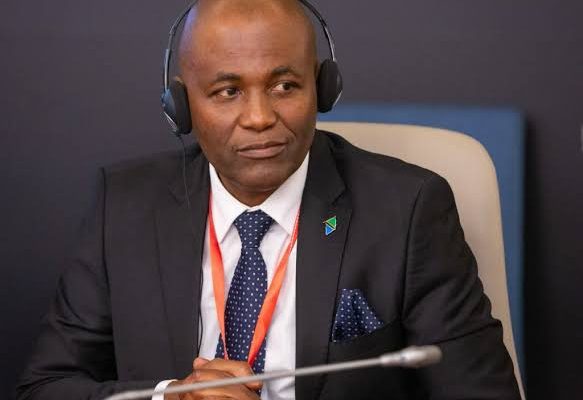
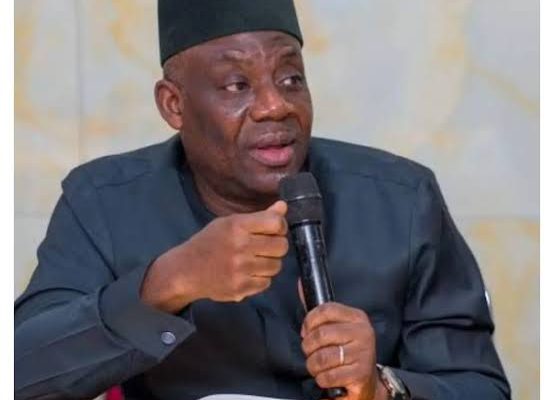
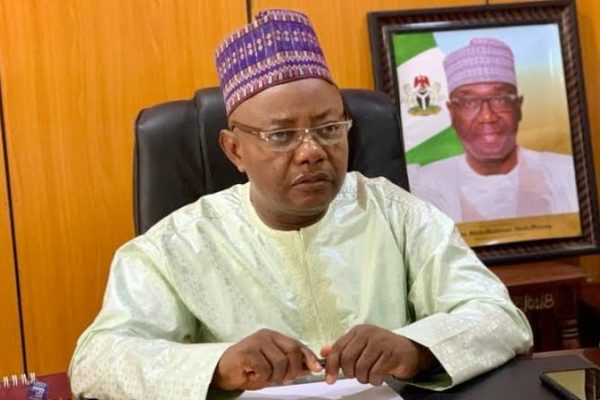
Earlier, NISO Managing Director Engr. Abdu Mohammed assured stakeholders that the organization would remain fair and transparent in administering the national grid. He described the synchronization as not just a technical achievement but a milestone that reinforces Nigeria’s status as a regional power hub, unlocks foreign exchange potential, and boosts investor confidence.
Mohammed emphasized, “A resilient electricity market requires more than engineering; it requires relationships—trust among service providers, regulators, government, operators, and the Nigerian people.”
Meanwhile, Managing Director of the Transmission Company of Nigeria (TCN), Engr. Sule Abdulaziz, disclosed that transmission capacity has increased to 8,500MW, with further expansion expected as new transformers and substations are completed.