






![CAC removes 247 companies from database [Full List]](https://theprimenews.ng/wp-content/uploads/2025/08/Corporate-Affairs-Commission-CAC-building--600x400.webp)





























![‘I love Natasha’ – 2Face announces marriage plans with Edo lawmaker [VIDEO]](https://theprimenews.ng/wp-content/uploads/2025/02/GridArt_20250203_143302913-scaled-1-600x400.jpg)































![Europa League: 7 teams qualify for Round of 16, knockout stages [Full list]](https://theprimenews.ng/wp-content/uploads/2025/01/258743-1024x538-1-600x400.jpg)


![‘Jesus take the White House’ – Nathaniel Bassey ministers at Trump’s prayer breakfast [VIDEO]](https://theprimenews.ng/wp-content/uploads/2025/01/Nathaniel-Bassey-1024x681-1-600x400.webp)









![Copa del Rey: All 8 teams in quarterfinal confirmed [Full list]](https://theprimenews.ng/wp-content/uploads/2025/01/1126686360.jpg.0-1024x683-1-600x400.webp)

























![‘I’m waiting on the Lord for kids’ – Eniola Badmus [VIDEO]](https://theprimenews.ng/wp-content/uploads/2025/01/Eniola-Badmus-1024x764-1-600x400.webp)






















































![FIFPRO announces nominees for 2024 Men’s World XI [Full list]](https://theprimenews.ng/wp-content/uploads/2024/12/Image_20241202_160846_058-600x391.webp)















![Jagun Jagun wins big at 2024 BON Awards [FULL LIST]](https://theprimenews.ng/wp-content/uploads/2024/11/20241013_181847-1024x715-1-600x400.jpg)


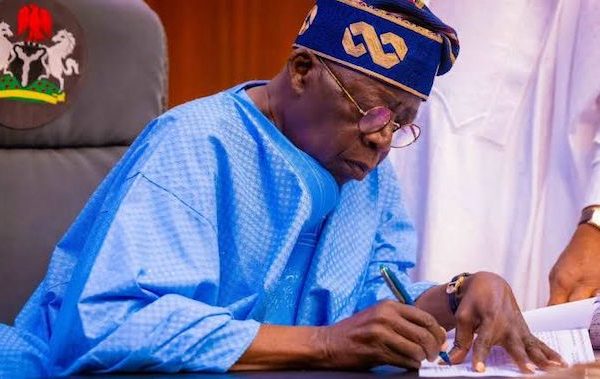



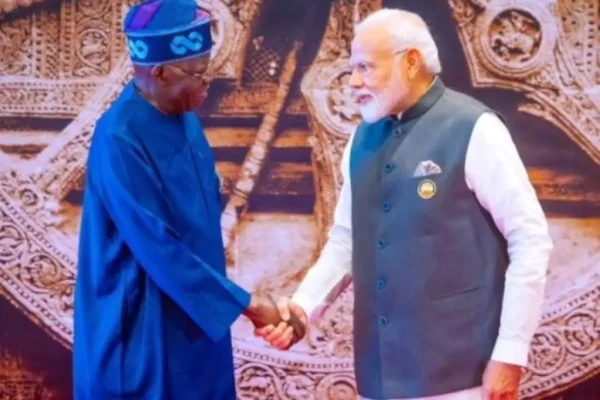


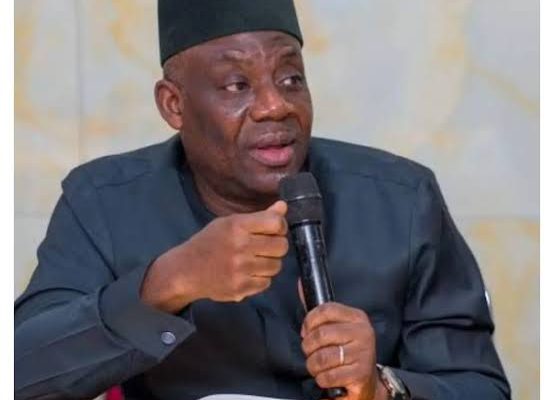
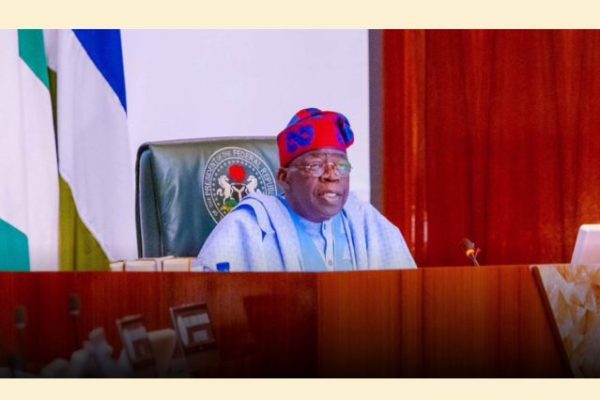





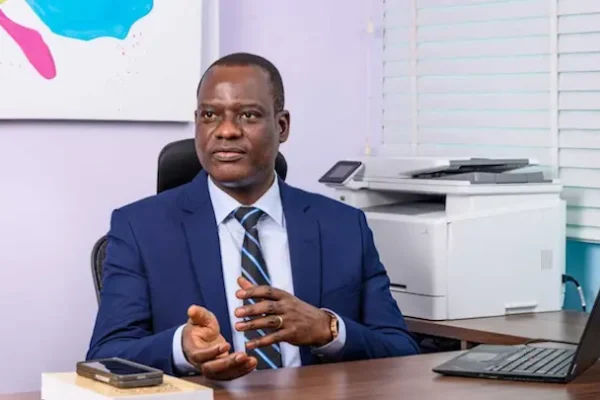
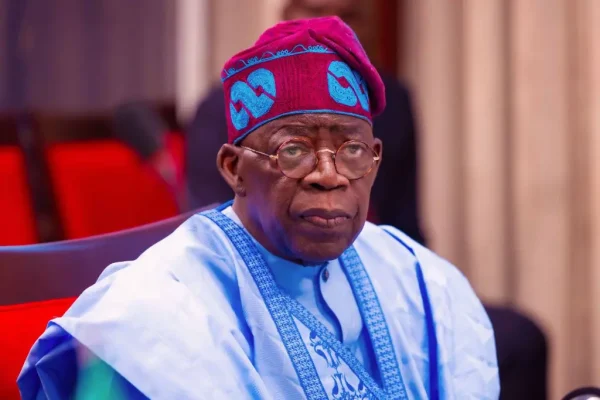


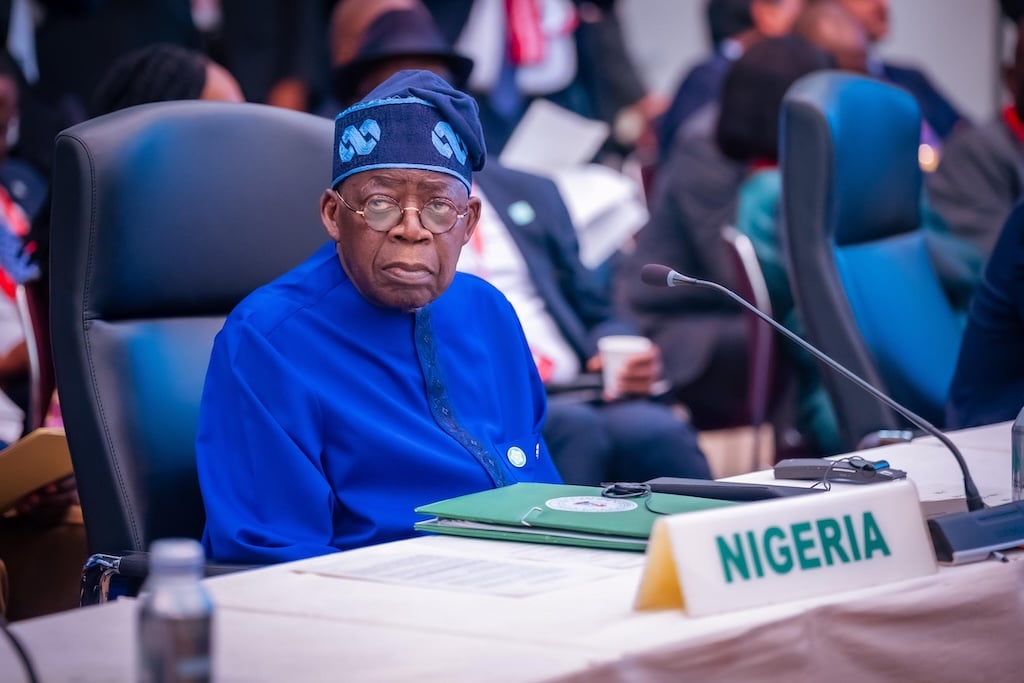
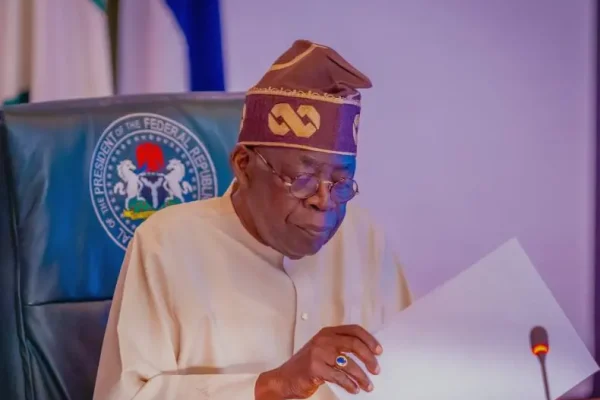
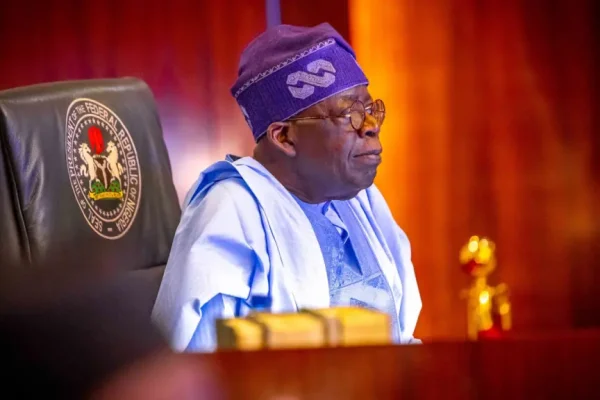
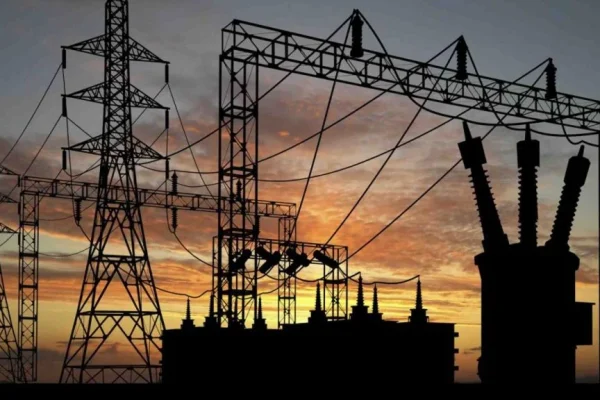
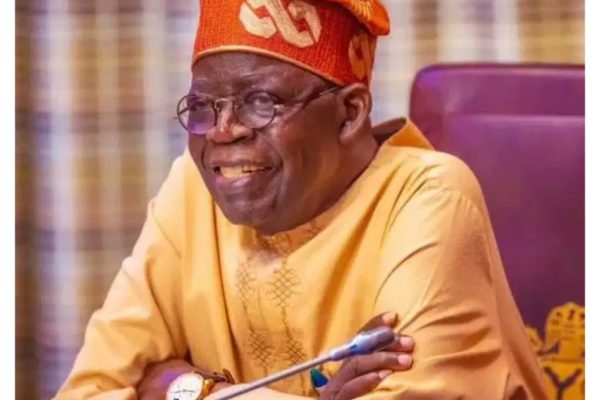
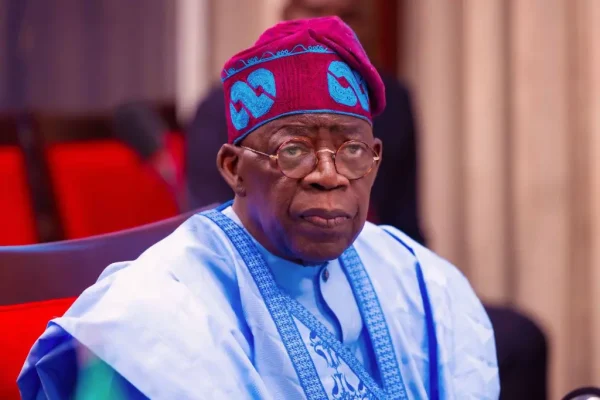
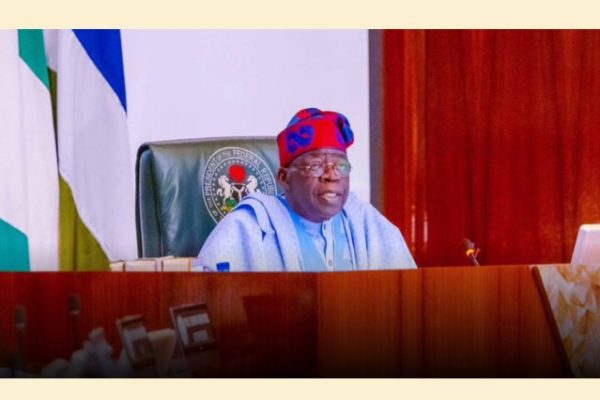
Germany’s Deputy Head of Mission in Nigeria, Mr. Johannes Lehne, has said that the $2.3 billion Siemens power deal between Nigeria and Germany remained largely dormant until it was revived by the administration of President Bola Ahmed Tinubu.
Lehne disclosed on Wednesday while speaking on the second day of the Sub-Saharan Africa International Petroleum Exhibition and Conference (SAIPEC) in Lagos, themed “Celebrating a Decade of Energy, Oil, and Gas Innovation in Sub-Saharan Africa.”
According to the German envoy, the bilateral partnership in the power sector had stalled for years before gaining renewed momentum under the current administration.

The Siemens deal, originally conceived under former President Muhammadu Buhari, was structured as a government-to-government framework between Nigeria and Germany to overhaul Nigeria’s electricity transmission and distribution infrastructure, enhance grid stability, and gradually increase available power capacity.
Under the agreement, Siemens outlined phased targets to raise Nigeria’s power supply to 7,000 megawatts by 2021 and 11,000 megawatts by 2023, with a long-term ambition of reaching 25,000 megawatts by 2025, from an average supply of about 4,000 megawatts at the time.
However, Lehne noted that the initiative failed to gain meaningful traction for reasons that were never officially disclosed.
“The strange thing was that this partnership was dormant until the beginning of President Tinubu’s time, when it was actually revived,” he said.
“We are in the power sector. We have a Presidential Power Initiative with President Tinubu for the reactivation of the Nigerian transmission system and electricity access for everybody.”
Lehne further disclosed that beyond the Presidential Power Initiative (PPI), Germany has expanded its energy cooperation with Nigeria through an Energy Support Programme, drawing from Germany’s experience in energy transition and diversification.
He explained that between 2021 and 2024, Germany significantly increased investments in renewable energy sources such as solar, wind, and geothermal power, as part of efforts to reduce dependence on hydrocarbons and cut carbon emissions.
Despite the global push toward renewables, the envoy argued that what many countries describe as an “energy transition” is often more accurately an “energy addition”, involving a broader mix of energy sources rather than a complete shift away from fossil fuels.
“There is no real energy transition; there is energy addition and a different mix of energy sources, which every country should consider to have the right energy policy,” he added.