











![CAC removes 247 companies from database [Full List]](https://theprimenews.ng/wp-content/uploads/2025/08/Corporate-Affairs-Commission-CAC-building--600x400.webp)




































![‘I love Natasha’ – 2Face announces marriage plans with Edo lawmaker [VIDEO]](https://theprimenews.ng/wp-content/uploads/2025/02/GridArt_20250203_143302913-scaled-1-600x400.jpg)








































![Europa League: 7 teams qualify for Round of 16, knockout stages [Full list]](https://theprimenews.ng/wp-content/uploads/2025/01/258743-1024x538-1-600x400.jpg)



![‘Jesus take the White House’ – Nathaniel Bassey ministers at Trump’s prayer breakfast [VIDEO]](https://theprimenews.ng/wp-content/uploads/2025/01/Nathaniel-Bassey-1024x681-1-600x400.webp)












![Copa del Rey: All 8 teams in quarterfinal confirmed [Full list]](https://theprimenews.ng/wp-content/uploads/2025/01/1126686360.jpg.0-1024x683-1-600x400.webp)





























![‘I’m waiting on the Lord for kids’ – Eniola Badmus [VIDEO]](https://theprimenews.ng/wp-content/uploads/2025/01/Eniola-Badmus-1024x764-1-600x400.webp)


































































![FIFPRO announces nominees for 2024 Men’s World XI [Full list]](https://theprimenews.ng/wp-content/uploads/2024/12/Image_20241202_160846_058-600x391.webp)


















![Jagun Jagun wins big at 2024 BON Awards [FULL LIST]](https://theprimenews.ng/wp-content/uploads/2024/11/20241013_181847-1024x715-1-600x400.jpg)


































From January 1, 2026, Nigerians on low income, small businesses and average taxpayers are expected to benefit from a wide range of tax waivers under the new tax reform laws.
The breakdown, which lists 50 specific exemptions and relief categories, was released by the Chairman, Presidential Fiscal Policy and Tax Reforms Committee, Taiwo Oyedele, on Monday, and obtained by THE PRIME NEWS.
Personal Income Tax / PAYE — who will not pay income tax

These are waivers for people earning very low salaries or on the national minimum wage.
- People earning minimum wage or less — exempt
- People earning up to ₦1.2m per year — exempt
- People earning up to ₦20m per year get tax relief
- Gifts you receive are not taxed
Deductions that reduce your tax — money government allows you to minus before calculating PAYE
These are expenses government will accept so your taxable income becomes lower.
- Pension contribution
- NHIS health contributions
- National Housing Fund contributions
- Interests paid on home ownership loan
- Money paid into life insurance / annuity
- Rent relief up to ₦500,000 (20% of rent)
Pension and retirement money — not taxed
These apply to retirees and people receiving end-of-service payments.
- Pension funds and assets
- Pension, gratuity and retirement benefits
- Compensation for losing your job up to ₦50m
Capital Gains Tax (CGT) — when you sell property or assets
Government will not tax some specific kinds of sales.
- Sale of your personal home
- Personal items up to ₦5m
- Sale of up to two private cars yearly
- Gains on small share transactions under ₦150m / ₦10m
- Tax is waived if you reinvest the share gains
- Pension funds, charities, religious orgs (if non-commercial)
Companies Income Tax — small businesses protected
Government is lowering or removing tax to encourage job creation and growth.
- Small companies with ≤ ₦100m turnover — no CIT
- Labelled startups — exempt
- Employers who raise salaries for low-income workers get extra deduction
- Employers who hire and retain new workers for 3 years get deduction
- Agric companies get 5-year tax holiday
- Venture investors in labelled startups — exempt
Development Levy — not for small companies
- Small businesses do not pay this levy
Withholding Tax — reduced burden for small firms
WHT removed to improve cashflow.
- Small companies, manufacturers, agric — exempt on income
- Small companies also exempt on payments made to suppliers
VAT — zero VAT on basic needs
Government is keeping essential goods zero-rated or exempt.
- Basic food items — VAT-free
- House rent — VAT-free
- Education — zero VAT
- Health services — exempt
- Pharmaceuticals — zero VAT
- Small companies ≤ ₦100m turnover do not charge VAT
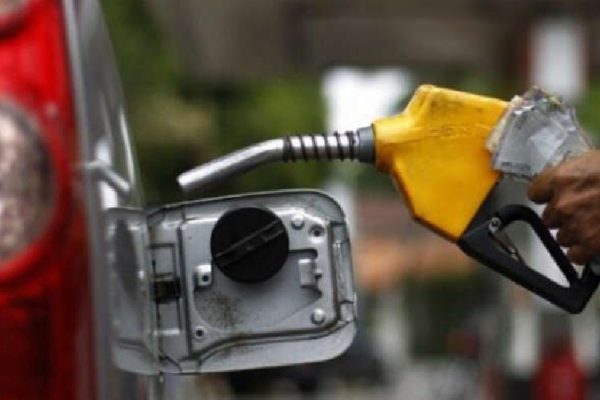
- Diesel, petrol, solar equipment — VAT waived
- You can claim VAT refund on capital items for production
- Agric inputs — fertiliser, seeds, feeds, live animals — exempt
- Agric equipment hire — exempt
- Disability aids e.g. wheelchairs — exempt
- Bus transport (shared public road transport) — exempt
- Electric vehicles & parts — exempt
- Humanitarian relief items — exempt
- Baby products — exempt
- Sanitary pads & tampons — exempt
- Buying/selling land & buildings — VAT-free
Stamp Duty — charges removed on small transfers
Government is removing stamp duty on small transfers and some financial documents.
- Electronic transfers below ₦10,000 — exempt
- Salary payments — exempt
- Transfers within the same bank — exempt
- Transfer of government securities / shares — exempt
- Documents for transfer of shares — exempt
These reliefs and waivers form part of the 2024-2026 fiscal roadmap and are scheduled to take effect from January 2026.