










![CAC removes 247 companies from database [Full List]](https://theprimenews.ng/wp-content/uploads/2025/08/Corporate-Affairs-Commission-CAC-building--600x400.webp)
































![‘I love Natasha’ – 2Face announces marriage plans with Edo lawmaker [VIDEO]](https://theprimenews.ng/wp-content/uploads/2025/02/GridArt_20250203_143302913-scaled-1-600x400.jpg)




































![Europa League: 7 teams qualify for Round of 16, knockout stages [Full list]](https://theprimenews.ng/wp-content/uploads/2025/01/258743-1024x538-1-600x400.jpg)




![‘Jesus take the White House’ – Nathaniel Bassey ministers at Trump’s prayer breakfast [VIDEO]](https://theprimenews.ng/wp-content/uploads/2025/01/Nathaniel-Bassey-1024x681-1-600x400.webp)










![Copa del Rey: All 8 teams in quarterfinal confirmed [Full list]](https://theprimenews.ng/wp-content/uploads/2025/01/1126686360.jpg.0-1024x683-1-600x400.webp)




























![‘I’m waiting on the Lord for kids’ – Eniola Badmus [VIDEO]](https://theprimenews.ng/wp-content/uploads/2025/01/Eniola-Badmus-1024x764-1-600x400.webp)




























































![FIFPRO announces nominees for 2024 Men’s World XI [Full list]](https://theprimenews.ng/wp-content/uploads/2024/12/Image_20241202_160846_058-600x391.webp)



















![Jagun Jagun wins big at 2024 BON Awards [FULL LIST]](https://theprimenews.ng/wp-content/uploads/2024/11/20241013_181847-1024x715-1-600x400.jpg)






























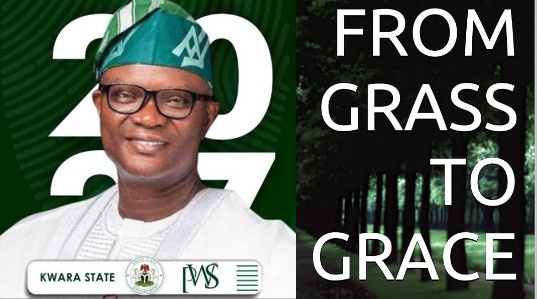
By Oyez Olatunde Rex
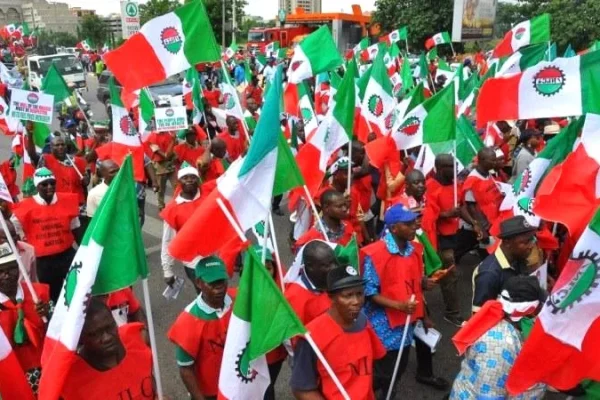
In spite of party stakeholders’ jostlings towards the 2027 APC Guber ticket, there is a quiet shift happening, not in boardrooms, not in party offices, but on the streets.
In the markets, at the motor parks, inside small shops and roadside kiosks, people are talking. And what they are saying about Wale Sulaiman is simple: this one sounds like it concerns us.

The street is not easily impressed. It has seen promises come and go. It has heard big grammar that led nowhere. So when something begins to settle in the hearts of everyday people, it is not by noise, it is by clarity and connection.
What is making the difference with the Kwara Prosperity Agenda is that it speaks a language people understand. Not just English, but the language of possibility. The idea that a child from anywhere, no connections, no family name, no shortcuts, can rise and become something meaningful. That message is not abstract. It is personal.
For many in Kwara, life has followed a familiar script. If you are not born into influence, you spend most of your life time trying to get close to it. Doors don’t open easily. Talent alone is not always enough. Hard work, many times, feels like it is not properly rewarded. Over time, people adjust their expectations downward.
This is the reality the street knows.
So when a message comes that says the system itself can be adjusted, so that effort counts, so that access is not restricted, so that growth is not reserved for a few, it catches attention.
But more importantly, it is not just what is being said; it is who is saying it.
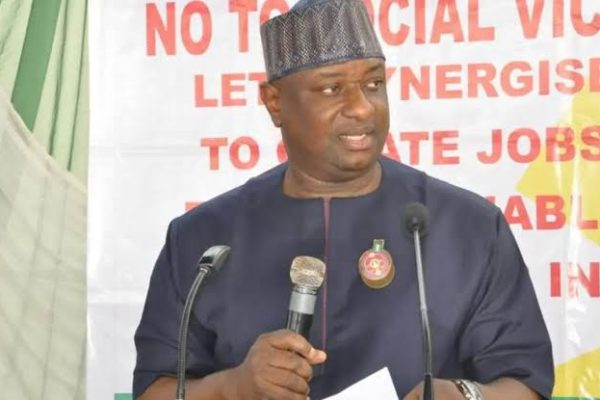
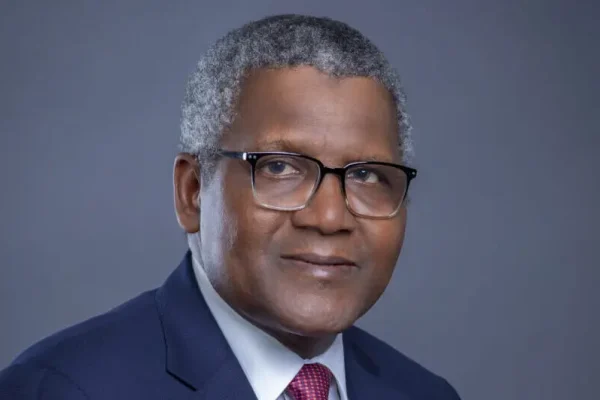
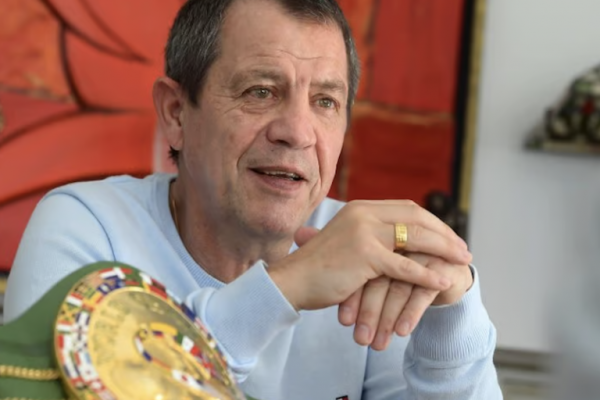
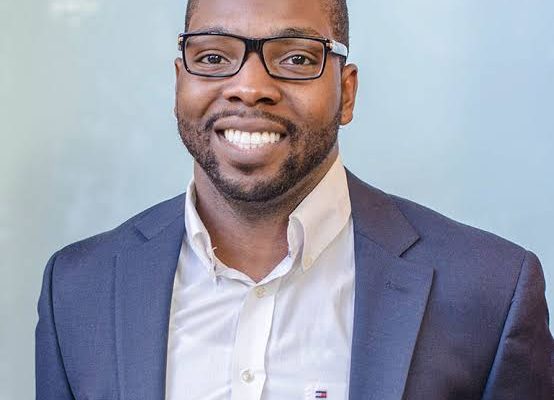
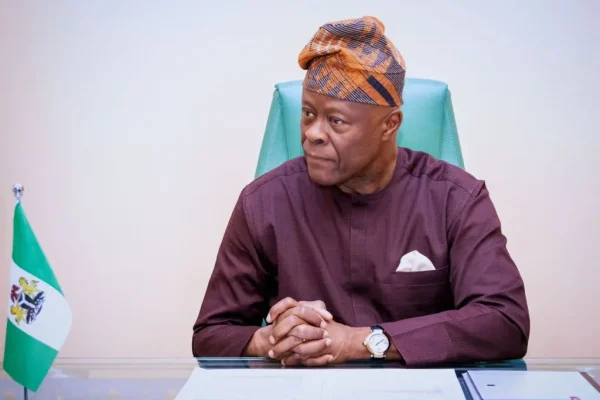
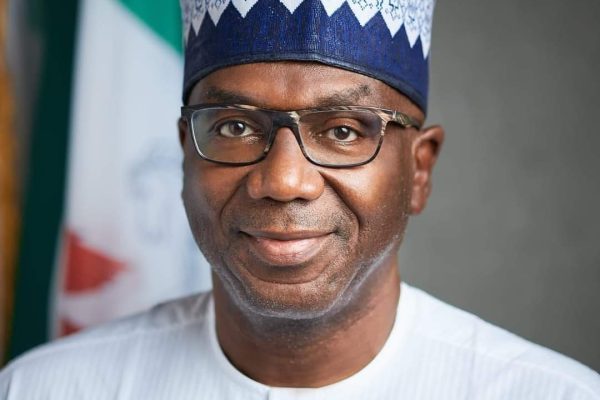
People are looking at Wale Sulaiman and drawing their own conclusions. Here is someone whose journey did not start from global recognition, but who built himself into something significant through skill, discipline, and exposure. The street understands that story. It may not know all the details, but it recognizes the pattern. Someone who moved from ordinary beginnings into global relevance.
That kind of story carries weight where it matters.
Because on the street, people don’t just listen, they measure and they ask, Is this person saying what he has lived? Or just what sounds good?
The connection becomes stronger when people begin to see practical angles. When they hear about education that actually equips, not just certifies. When they hear about healthcare that does not push them into debt before treatment begins. When they hear about jobs tied to real sectors, not just political cycles.
It starts to feel like something they can hold. And then comes the deeper part, the emotional hook.
Every parent on the street wants something simple, that their child should have a better shot at life than they did. Not miracles. Just a fair chance. A system that does not block them before they even start.
That is where this message lands hardest, because when you say a “child of nobody can become somebody,” you are not speaking theory. You are touching a daily concern. You are stepping into the quiet prayers people make for their children.
That is why the message is spreading in a way that feels organic. It is not being forced. It is being repeated. In conversations, in passing remarks, in debates under umbrellas and at junctions.
The street is not declaring perfection. It is not saying everything is already solved. What it is doing is something more important, it is leaning in. It is paying attention.
And in politics, that is the first real victory.
Because once the street begins to believe that a system can work for them, not against them, it starts to own the idea. It starts to defend it. It starts to imagine itself inside it.
Right now, that is what is happening.
The agenda is no longer just a document. In the minds of many, it is becoming a possibility. A picture of a Kwara where background does not decide destiny too early. Where effort has a clearer path. Where rising is not reserved for a small circle.
They are beginning to see themselves in a Kwara led by PWS as he is fondly called.