








![CAC removes 247 companies from database [Full List]](https://theprimenews.ng/wp-content/uploads/2025/08/Corporate-Affairs-Commission-CAC-building--600x400.webp)





































![‘I love Natasha’ – 2Face announces marriage plans with Edo lawmaker [VIDEO]](https://theprimenews.ng/wp-content/uploads/2025/02/GridArt_20250203_143302913-scaled-1-600x400.jpg)
















































![Europa League: 7 teams qualify for Round of 16, knockout stages [Full list]](https://theprimenews.ng/wp-content/uploads/2025/01/258743-1024x538-1-600x400.jpg)





![‘Jesus take the White House’ – Nathaniel Bassey ministers at Trump’s prayer breakfast [VIDEO]](https://theprimenews.ng/wp-content/uploads/2025/01/Nathaniel-Bassey-1024x681-1-600x400.webp)


















![Copa del Rey: All 8 teams in quarterfinal confirmed [Full list]](https://theprimenews.ng/wp-content/uploads/2025/01/1126686360.jpg.0-1024x683-1-600x400.webp)






























![‘I’m waiting on the Lord for kids’ – Eniola Badmus [VIDEO]](https://theprimenews.ng/wp-content/uploads/2025/01/Eniola-Badmus-1024x764-1-600x400.webp)





































































![FIFPRO announces nominees for 2024 Men’s World XI [Full list]](https://theprimenews.ng/wp-content/uploads/2024/12/Image_20241202_160846_058-600x391.webp)





























![Jagun Jagun wins big at 2024 BON Awards [FULL LIST]](https://theprimenews.ng/wp-content/uploads/2024/11/20241013_181847-1024x715-1-600x400.jpg)

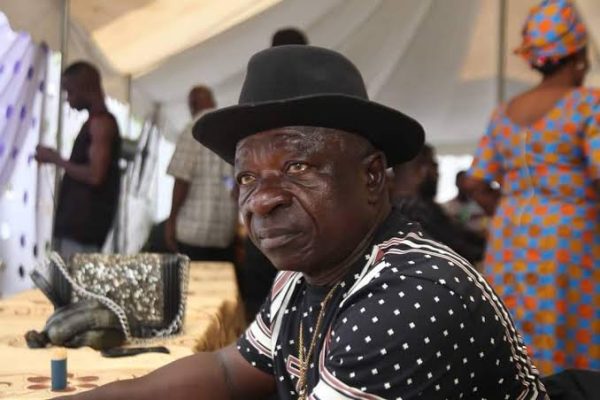












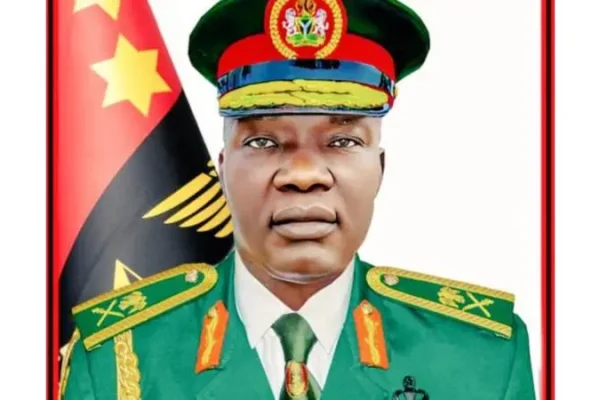










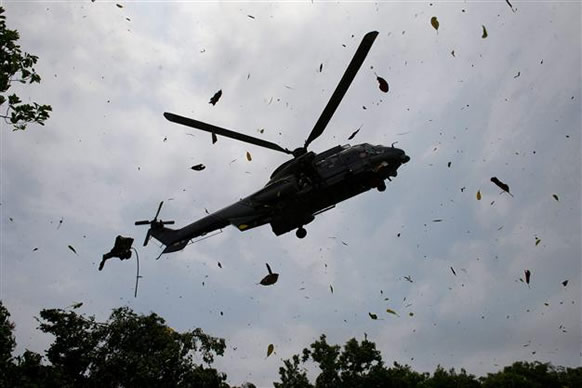















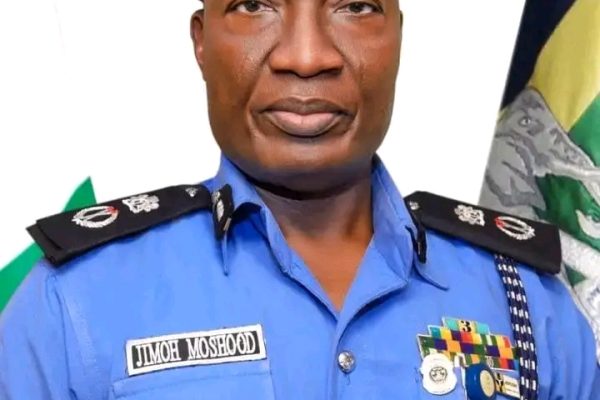
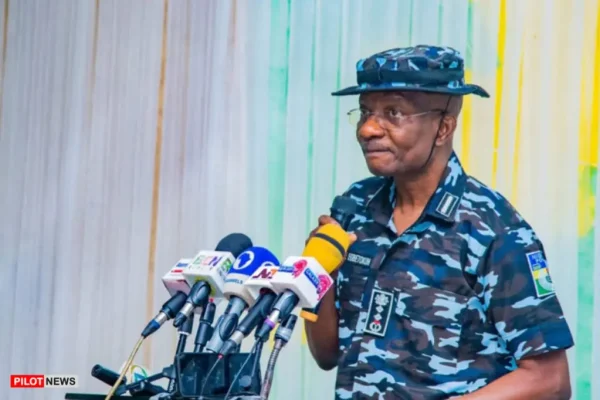
The Inspector-General of Police, IGP Olatunji Disu, has ordered an audit of arms and ammunition in police formations across the country.
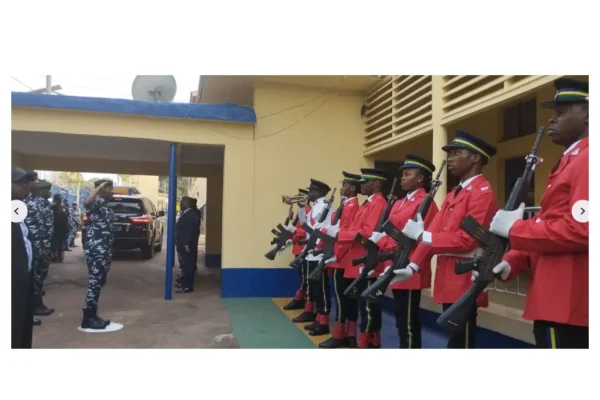
The IGP issued the order at a meeting with senior officers in Abuja on Tuesday.
According to him, the audit would help strengthen accountability and prevent misuse of operational assets.

He said, “I hereby direct all Commissioners of Police to immediately undertake a comprehensive audit of arms and ammunition within their respective Commands. This exercise must be thorough, transparent, and properly documented, with detailed reports forwarded to the Force Headquarters within the stipulated timeframe.
“The objective is clear: to strengthen accountability, identify existing gaps, and provide an accurate assessment of our operational needs. Let me emphasize that this is not a routine administrative task, but a critical measure to enhance our readiness, prevent misuse, and ensure that all assets entrusted to the Force are properly accounted for and optimally deployed.”
The directive comes barely two weeks after a viral video circulated of a police officer shooting a handcuffed man in Effurun, Delta State.
The officer, later identified as ASP Usman Nuhu, has now been dismissed by the NPF leadership acting on the recommendation of the Force Disciplinary Committee (FDC).
Speaking on the incident, Disu described the shooting as “wrong” and a violation of the sanctity of human life and professional standards.
He confirmed that the officer had been dismissed while the case file had been forwarded to the Directorate of Public Prosecutions (DPP) for criminal prosecution.
He assured that the matter would not be swept under the carpet.
“Accountability will be pursued to its full and logical conclusion,” he stressed.
The IGP also directed Commissioners of Police to convene regular town hall meetings with key stakeholders, including traditional rulers, religious leaders, market associations, youth and women groups, and transport unions.
“These are not ceremonial events. Commissioners must sit with traditional rulers, religious leaders, market associations, youth organizations, listening to women’s groups, and transport unions, sharing information, and building genuine partnerships,” Disu said.