






![CAC removes 247 companies from database [Full List]](https://theprimenews.ng/wp-content/uploads/2025/08/Corporate-Affairs-Commission-CAC-building--600x400.webp)






















![‘I love Natasha’ – 2Face announces marriage plans with Edo lawmaker [VIDEO]](https://theprimenews.ng/wp-content/uploads/2025/02/GridArt_20250203_143302913-scaled-1-600x400.jpg)























![Europa League: 7 teams qualify for Round of 16, knockout stages [Full list]](https://theprimenews.ng/wp-content/uploads/2025/01/258743-1024x538-1-600x400.jpg)


![‘Jesus take the White House’ – Nathaniel Bassey ministers at Trump’s prayer breakfast [VIDEO]](https://theprimenews.ng/wp-content/uploads/2025/01/Nathaniel-Bassey-1024x681-1-600x400.webp)









![Copa del Rey: All 8 teams in quarterfinal confirmed [Full list]](https://theprimenews.ng/wp-content/uploads/2025/01/1126686360.jpg.0-1024x683-1-600x400.webp)

























![‘I’m waiting on the Lord for kids’ – Eniola Badmus [VIDEO]](https://theprimenews.ng/wp-content/uploads/2025/01/Eniola-Badmus-1024x764-1-600x400.webp)














































![FIFPRO announces nominees for 2024 Men’s World XI [Full list]](https://theprimenews.ng/wp-content/uploads/2024/12/Image_20241202_160846_058-600x391.webp)








![Jagun Jagun wins big at 2024 BON Awards [FULL LIST]](https://theprimenews.ng/wp-content/uploads/2024/11/20241013_181847-1024x715-1-600x400.jpg)



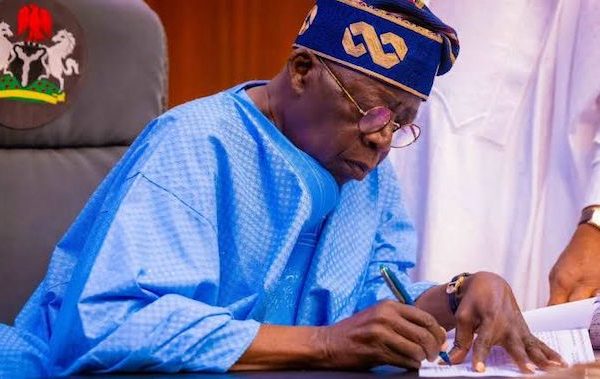


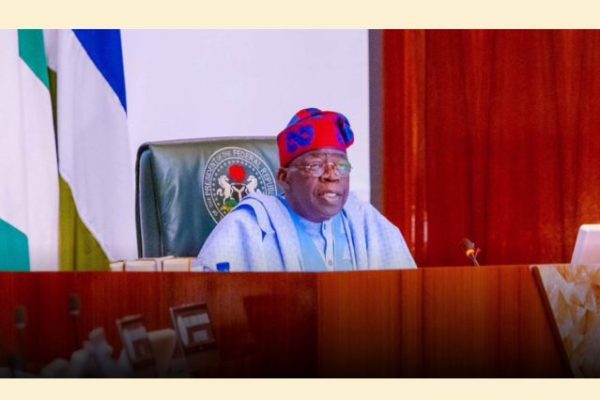




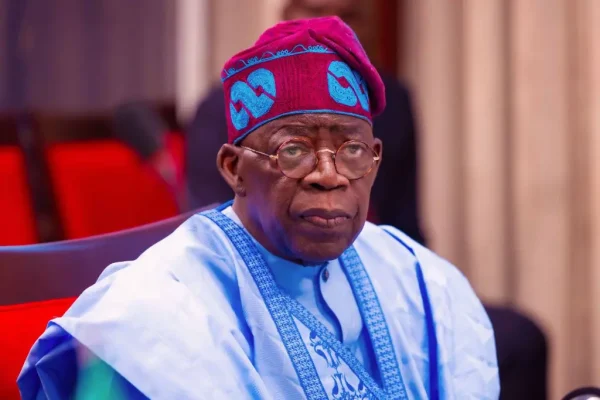

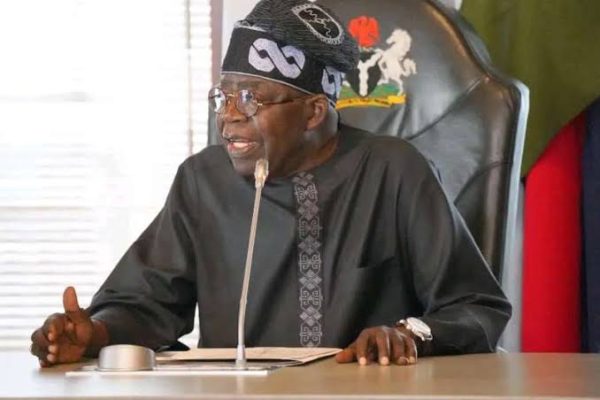
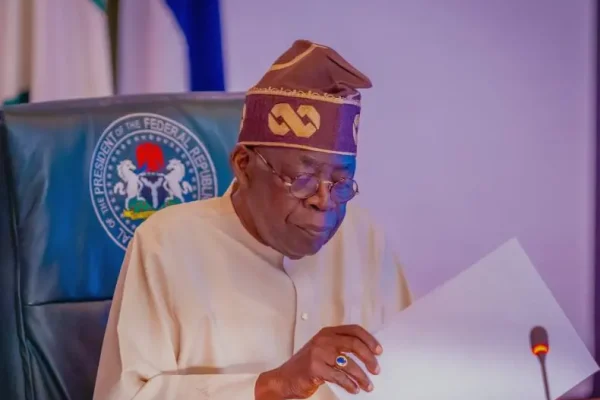
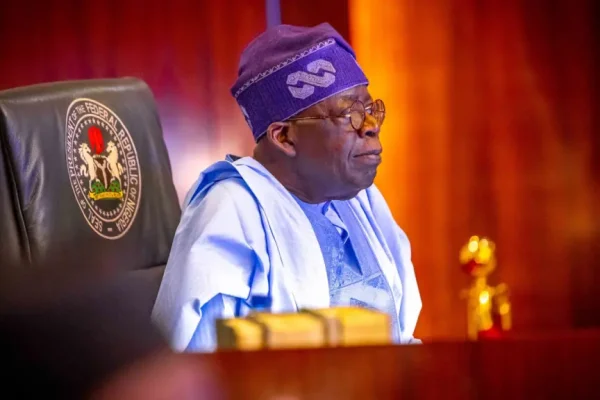
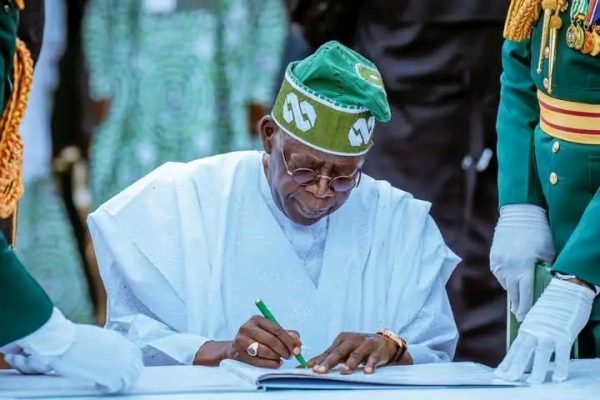
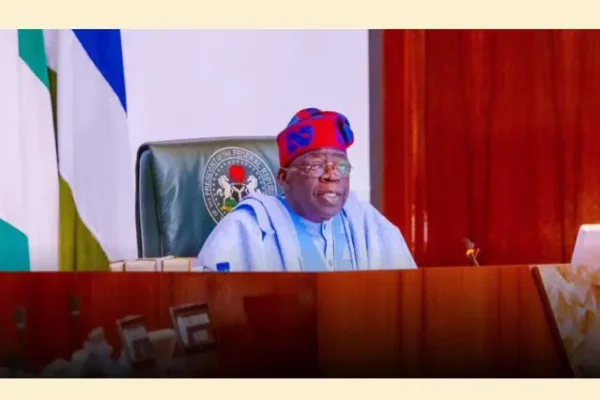
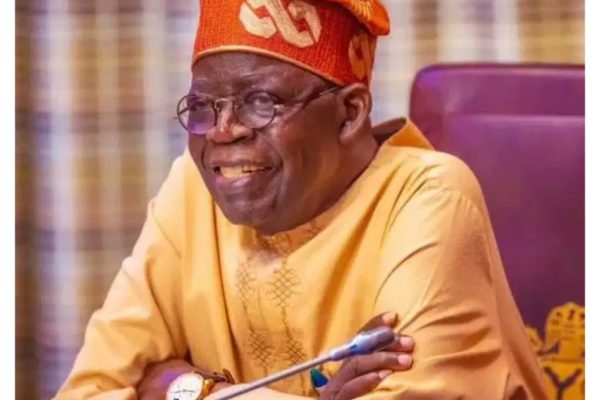
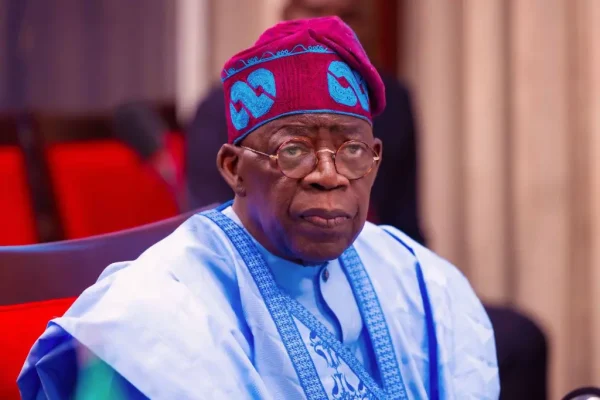
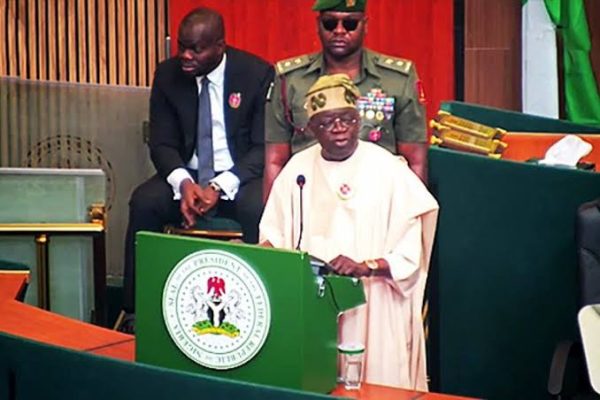
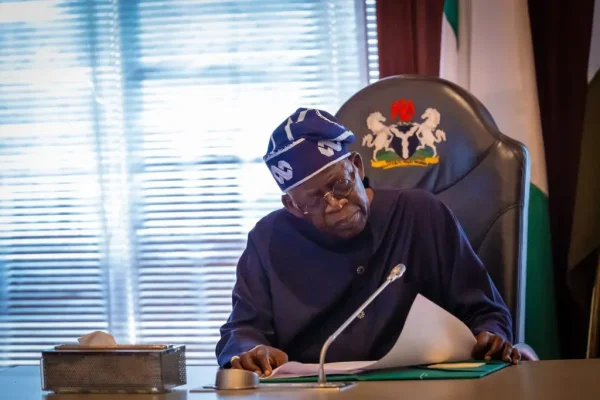
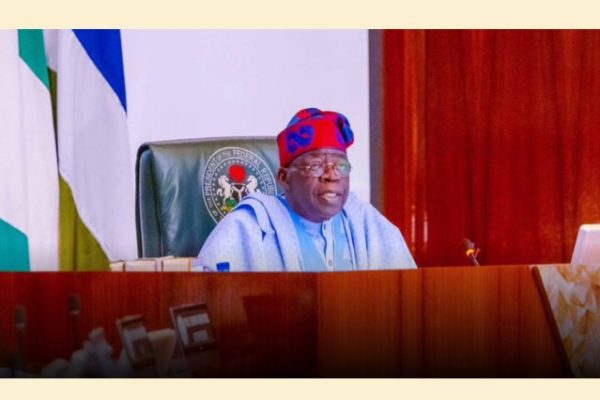
The New President of Nigeria, Bola Ahmed Tinubu has always been known to many as a master strategist, and he has reaffirmed that In what is to be his first real test. He had, at his inauguration ni less announced the end to the highly fraudulent subsidy scheme immediately making him the centre of attention and as expected, labour sought to fight back as has become customary.
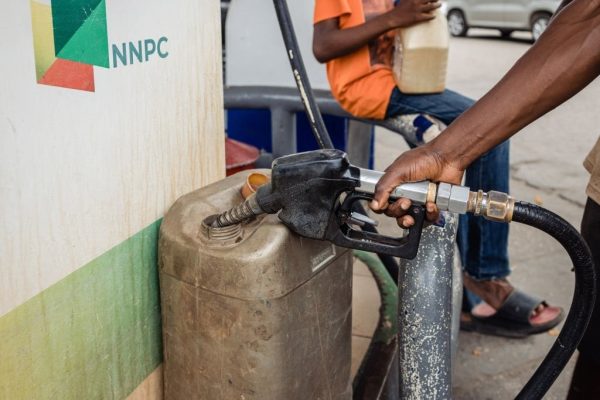
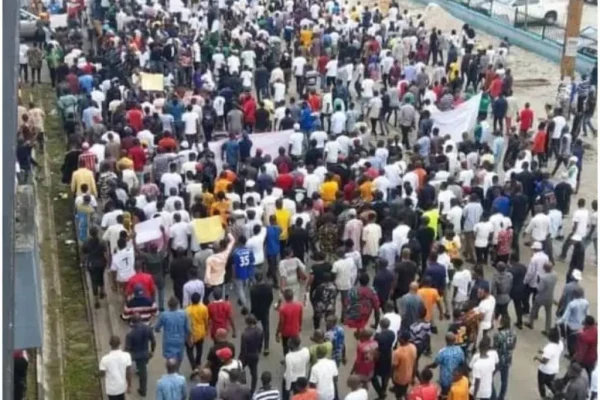
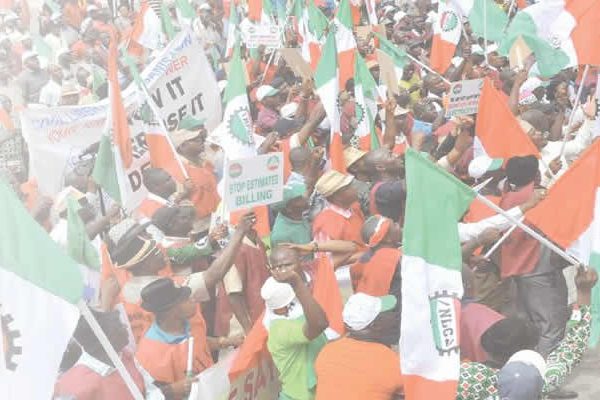
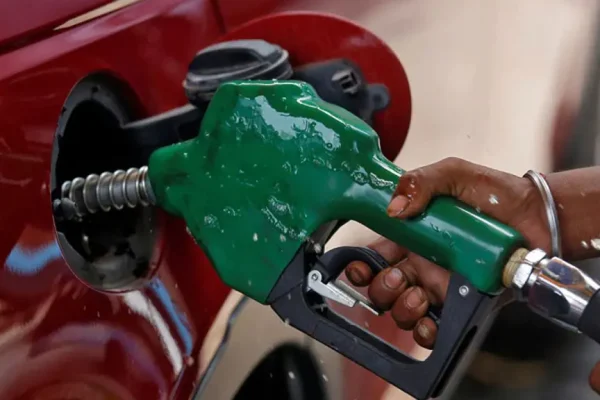
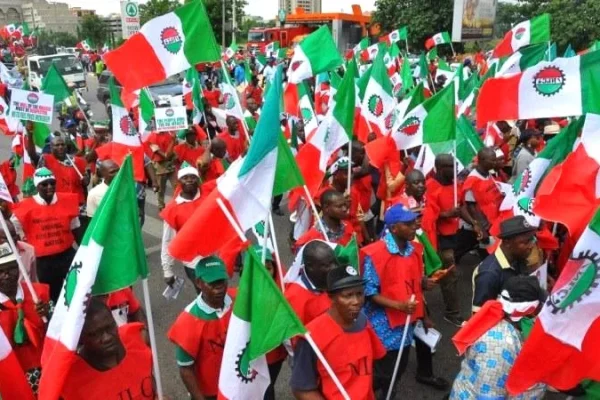
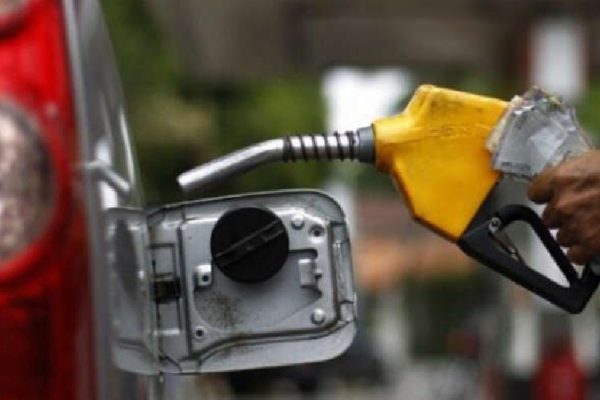
Nigeria Labour Congress president Joe Ajaero wasted no time in calling out his members to protest the removal of petrol subsidy which shot up the official pump price from N198 per litire to N488/l in Lagos and higher in cities across the country.
Tinubu and his men however launched a tripartite action counter offensive which employed of the legal court, the opinion court and a divide and rule tactics. A legal paper was drawn up to stop the planned strike. The paper had given solid grounds to see the position of NLC as illegal following a well-reasoned judgement by the Supreme court following a case instituted in 2002. Essentially, in that case brought against the electricity workers which sought to stop the privatization of state assets, the Supreme court justices ruled on May 24, 2010 that the “right of the members of a trade union to assemble together and act as a trade union is not absolute and must be exercised within the ambit of Section 45, 1999 constitution which states that none of the fundamental rights guaranteed under the constitution shall invalidate “any law that is reasonably justifiable in a democratic society in the interest of defence, public safety, order, public morality or public health.”
A counter offensive from the new government began with a well written legal paper which provided any government with the ammunition for a court action to stop the planned strike. The paper had given solid grounds to see the position of NLC as illegal following a well-reasoned judgement by the Supreme court following a case instituted in 2002. Essentially, in that case brought against the electricity workers which sought to stop the privatization of state assets, the Supreme court justices ruled on May 24, 2010 that the “right of the members of a trade union to assemble together and act as a trade union is not absolute and must be exercised within the ambit of Section 45, 1999 constitution which states that none of the fundamental rights guaranteed under the constitution shall invalidate “any law that is reasonably justifiable in a democratic society in the interest of defence, public safety, order, public morality or public health.”
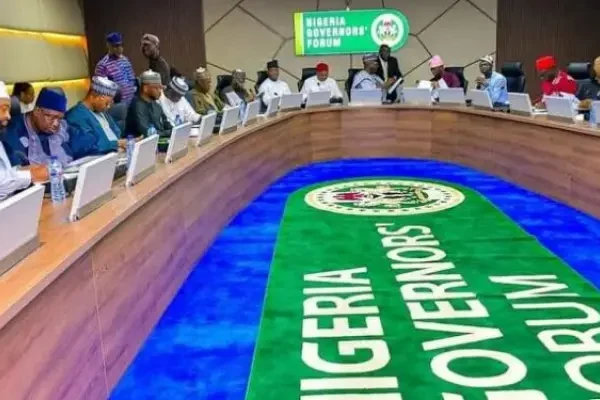
The removal of subsidy on petrol was ruled to be a matter of government policy, and it does not in any way concern the basis for the existence of a trade union in Nigeria, therefore the NLC cannot be at the forefront of discussions by the government as to how to manage the implementation of subsidy removal. The conclusion was that the only credible parties to the discussion should be the tiers of government and especially the state governors who constitute the national economic council.

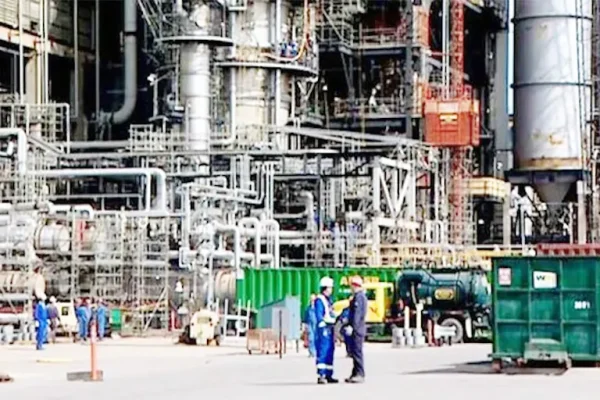
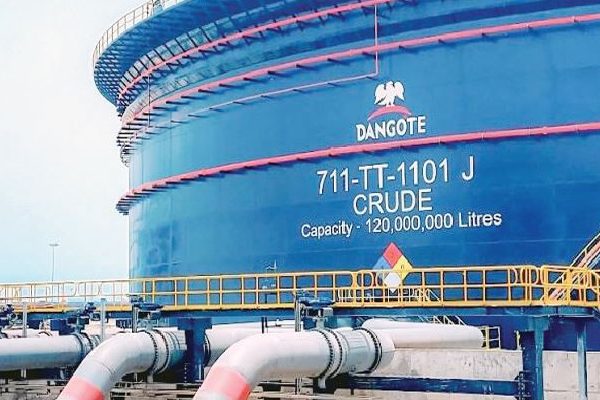
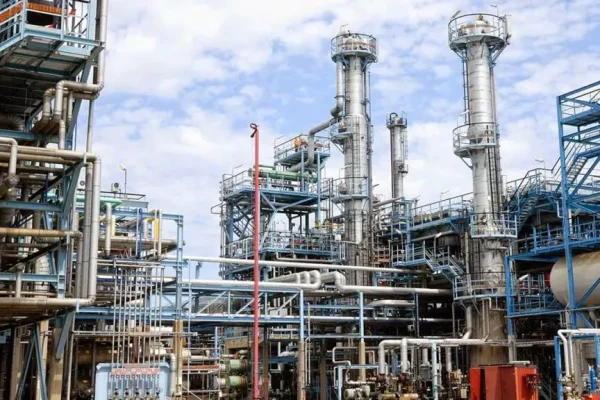
The second was the court of public opinion. There was a strong social media opposition against the “NLC leaders as they appeared quite complicit amd selective in their choice of issues to strike about. It was said for instance that they chose not to call for a strike on the Naira redesign policy which brought untold hardships upon many Nigerians. It was also said that it’s their truck drivers that smuggle our subsidized petrol across the borders for sale in neighboring African countries. It is their members that work in Refineries that don’t refine any petrol products, but still get paid salaries. It their members that put pressure on Yaradua to reverse sale of refineries to Dangote and Otedola and government has spent N11.3trn on the refineries without refining a single litre of oil. It is the same NLC that didn’t act when Kerosene (used by the masses) was deregulated.
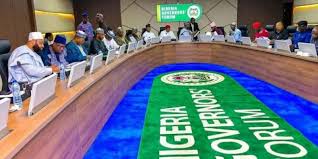
The final stroke was the divide and rule tactic. Political machineries set up to challenge the call for strike. Governors and political leaders and friends and allies of Tinubu moved quickly to douse the fire in their own states, and it soon became clear that even if the strike action had commenced it was going to be a near-total failure in the north amd southwest. The opposition parties could not find their voice for some of their governors had been in the room last year when a collective decision was made under the auspices of the NEC to define petrol subsidy as being harmful and unsustainable and proposed ways for removing it and dealing with the consequences of its removal.
By Monday morning, senior aides of the president went into further talks and the result of that was apparent. Labour had become splintered with TUC seeking amelioration of the impact of subsidy removal instead of opposing the removal itself.
The court injunction obtained later in the day became merely the icing on the cake. The strike had failed and Ajaero knew he would stand alone should he continue with it as planned.
All said and done, the first Hurdle is successfully crossed in the sprint that no doubt has several more hurdles ahead. Asiwaju has however proven himself to be a formidable adversary with an uncanny ability to wriggle out of seemingly insurmountable situations.
This Piece was written by Ahmad Lawal, Publisher The Prime News