








![CAC removes 247 companies from database [Full List]](https://theprimenews.ng/wp-content/uploads/2025/08/Corporate-Affairs-Commission-CAC-building--600x400.webp)






























![‘I love Natasha’ – 2Face announces marriage plans with Edo lawmaker [VIDEO]](https://theprimenews.ng/wp-content/uploads/2025/02/GridArt_20250203_143302913-scaled-1-600x400.jpg)
































![Europa League: 7 teams qualify for Round of 16, knockout stages [Full list]](https://theprimenews.ng/wp-content/uploads/2025/01/258743-1024x538-1-600x400.jpg)



![‘Jesus take the White House’ – Nathaniel Bassey ministers at Trump’s prayer breakfast [VIDEO]](https://theprimenews.ng/wp-content/uploads/2025/01/Nathaniel-Bassey-1024x681-1-600x400.webp)










![Copa del Rey: All 8 teams in quarterfinal confirmed [Full list]](https://theprimenews.ng/wp-content/uploads/2025/01/1126686360.jpg.0-1024x683-1-600x400.webp)




























![‘I’m waiting on the Lord for kids’ – Eniola Badmus [VIDEO]](https://theprimenews.ng/wp-content/uploads/2025/01/Eniola-Badmus-1024x764-1-600x400.webp)

























































![FIFPRO announces nominees for 2024 Men’s World XI [Full list]](https://theprimenews.ng/wp-content/uploads/2024/12/Image_20241202_160846_058-600x391.webp)

















![Jagun Jagun wins big at 2024 BON Awards [FULL LIST]](https://theprimenews.ng/wp-content/uploads/2024/11/20241013_181847-1024x715-1-600x400.jpg)
























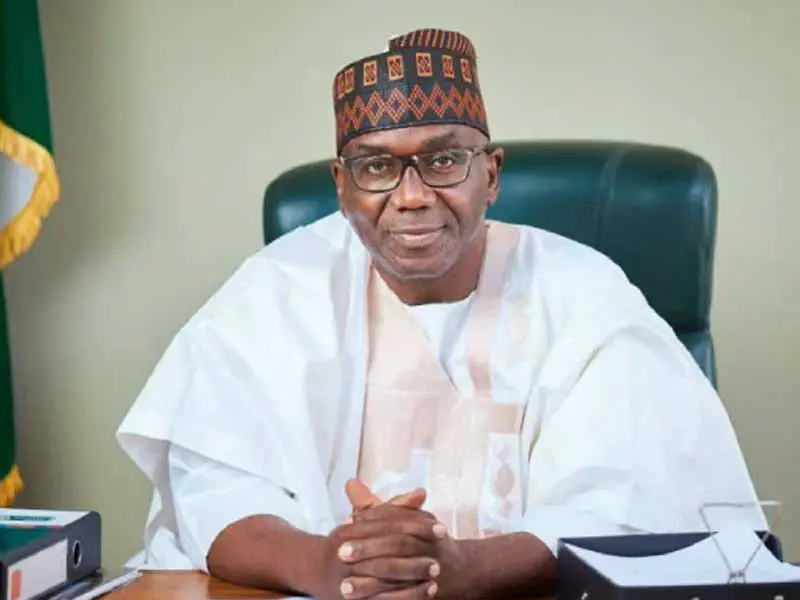
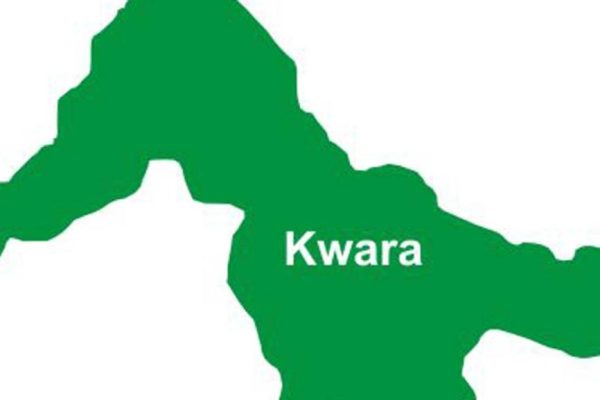
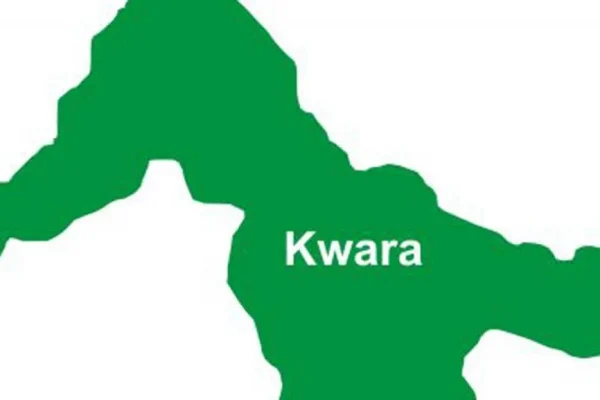
In the heart of Kwara State stands a once vibrant and people-centered institution; the Kwara State Community and Social Development Agency (KWCSDA), established in 2009 to bridge the gap between government and the grassroots. For over a decade, this Agency served as a beacon of hope, transforming forgotten communities with projects in education, healthcare, water supply, rural electrification and road rehabilitation. It was, without exaggeration, one of the few government agencies that touched lives directly and measurably.
Today, however, the same Agency that once symbolized progress and partnership has been reduced to a shadow of its former self. Its staff, who once labored with dedication to bring development to the remotest corners of the state, now languish in silence-unpaid, unmotivated, and unseen. Their stories reflect not only institutional neglect but also a tragic commentary on the widening divide between government policies and the realities of rural life in Kwara State.
A Legicay build on Community Impact

When KWCSDA was established, it was designed as part of the Federal Government’s partnership with the World Bank to promote community driven development. The Agency worked hand in hand with local communities to identify their most pressing needs and implement sustainable projects, from classroom construction and health centers to boreholes, culverts, and rural electrification.
Over the years, the Agency became a trusted ally of the people. From Baruten to Offa, Edu to Oke-Ero, every Local Government Area benefited from its people-oriented model. Villages that had never seen a borehole celebrated the arrival of clean water; rural schools once held under trees were replaced by modest but dignified classrooms.
Community leaders, women groups, and youth associations collaborated enthusiastically with KWCSDA often contributing labor, land, and funds to make projects succeed. The Agency’s unique participatory model fostered ownership and accountability, making it one of the most effective instruments for poverty reduction and rural transformation in the state.
Decline and Neglect under the present administration
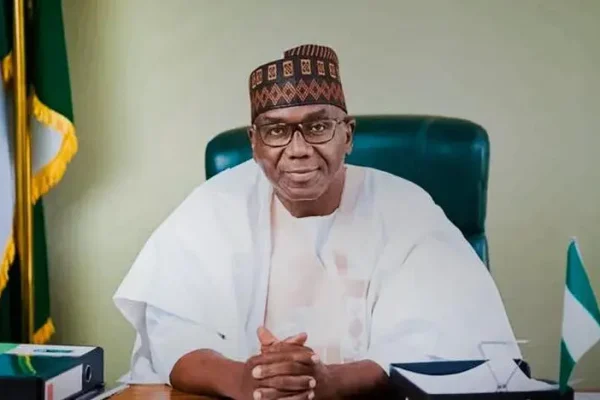
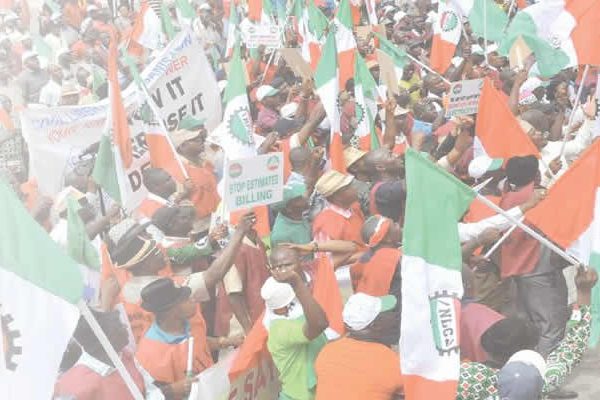
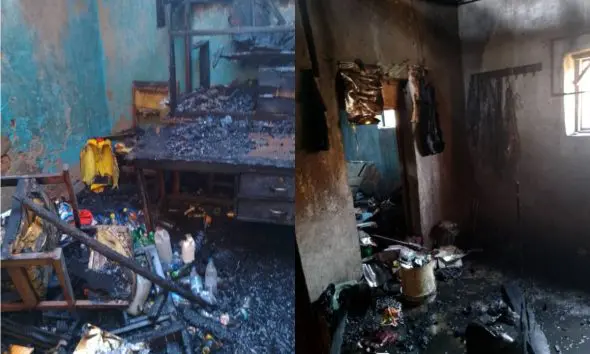
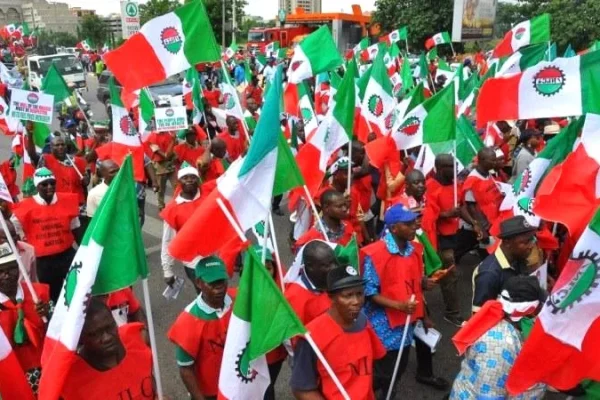
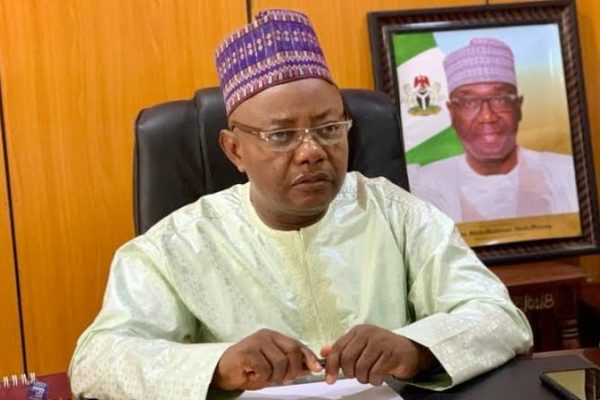
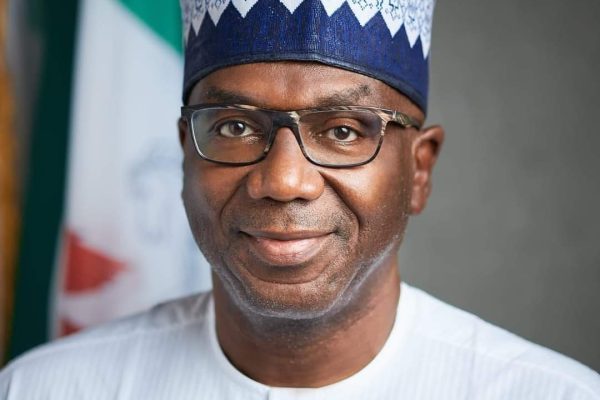
Unfortunately, this story of progress began to unravel in recent years. Under the current administration of Governor AbdulRahman AbdulRazaq, the Agency has suffered unprecedented neglect. Most alarming, however, is the non-payment of staff salaries for nearly one year. For public servants who devoted their lives to the service of others, this has been nothing short of devastating. Many have reportedly withdrawn their children from school, struggled to feed their families, and faced eviction due to unpaid rent.
The cost of Silence: Communities left in Limbo
The neglect of KWCSDA goes beyond the suffering of its workers. Across Kwara’s sixteen Local Government Areas, communities that once relied on the Agency’s projects are now abandoned. For rural dwellers, KWCSDA was more than an agency, it was their voice in government. Its collapse means not only lost jobs and halted projects but also a loss of hope for thousands who once believed that development could reach their doorsteps. The ripple effect of this neglect is enormous. Without functioning community projects, rural poverty deepens. Migration to urban centers increases, and local economies that depended on small-scale infrastructure support begin to crumble. The gap between the rich and poor, urban and rural, widens daily — a dangerous trend for any society seeking inclusive growth.
A call for revival
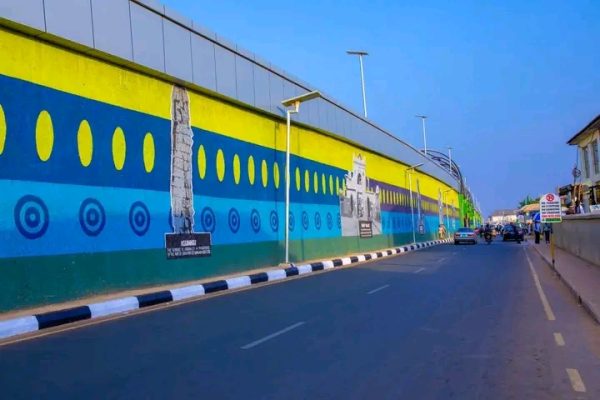
It is imperative for Governor AbdulRahman AbdulRazaq and his administration to act swiftly to address this crisis. The Governor has often spoken of his commitment to governance reforms and infrastructure renewal, but true development is not measured by city roads or urban flyovers alone. It is measured by how much the government uplifts the forgotten and empowers the underserved.
Reviving KWCSDA would not only restore livelihoods but also rekindle trust between the government and its citizens. Immediate payment of outstanding staff salaries should be the first step. Thereafter, the government must re-strengthen the Agency’s operational framework, reallocate necessary funding, and re-engage communities across the state.
The strength of Kwara lies not only in its capital city but in the vibrancy and potential of its rural communities. KWCSDA embodies this vision of shared prosperity. Its resuscitation would serve as a bridge between policy and people, between promise and reality. It would demonstrate that government recognizes the humanity of every citizen regardless of location or status.
For years, the Agency represented the best of what government could achieve when it worked hand-in-hand with the people. To let it die silently would be an injustice to the communities it served and to the dedicated workers who carried its vision forward.
History will remember
Governments are remembered not only for what they build but for whom they build for. While bridges and roads in the cities are visible, the quiet impact of rural development often tells the truer story of leadership. If Governor AbdulRahman AbdulRazaq wishes to leave a lasting legacy, he must not allow KWCSDA; the state’s most people oriented Agency to wither away. The cry of unpaid staff and the silence of abandoned communities are moral tests of leadership. History will not remember excuses. It will remember action — or inaction. Now is the time to restore the Kwara State Community and Social Development Agency to its rightful place as a catalyst for equity, empowerment, and hope. The people of Kwara deserve nothing less.