







![CAC removes 247 companies from database [Full List]](https://theprimenews.ng/wp-content/uploads/2025/08/Corporate-Affairs-Commission-CAC-building--600x400.webp)





























![‘I love Natasha’ – 2Face announces marriage plans with Edo lawmaker [VIDEO]](https://theprimenews.ng/wp-content/uploads/2025/02/GridArt_20250203_143302913-scaled-1-600x400.jpg)

































![Europa League: 7 teams qualify for Round of 16, knockout stages [Full list]](https://theprimenews.ng/wp-content/uploads/2025/01/258743-1024x538-1-600x400.jpg)


![‘Jesus take the White House’ – Nathaniel Bassey ministers at Trump’s prayer breakfast [VIDEO]](https://theprimenews.ng/wp-content/uploads/2025/01/Nathaniel-Bassey-1024x681-1-600x400.webp)









![Copa del Rey: All 8 teams in quarterfinal confirmed [Full list]](https://theprimenews.ng/wp-content/uploads/2025/01/1126686360.jpg.0-1024x683-1-600x400.webp)





























![‘I’m waiting on the Lord for kids’ – Eniola Badmus [VIDEO]](https://theprimenews.ng/wp-content/uploads/2025/01/Eniola-Badmus-1024x764-1-600x400.webp)























































![FIFPRO announces nominees for 2024 Men’s World XI [Full list]](https://theprimenews.ng/wp-content/uploads/2024/12/Image_20241202_160846_058-600x391.webp)

















![Jagun Jagun wins big at 2024 BON Awards [FULL LIST]](https://theprimenews.ng/wp-content/uploads/2024/11/20241013_181847-1024x715-1-600x400.jpg)




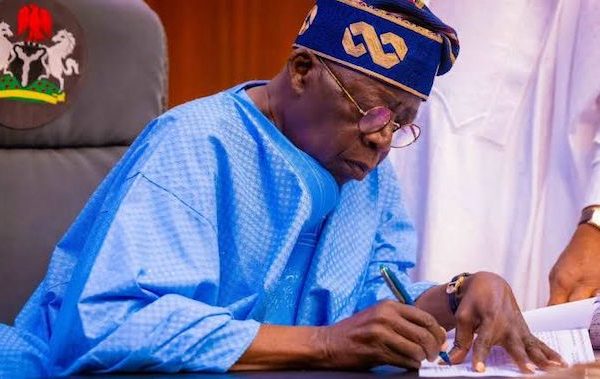



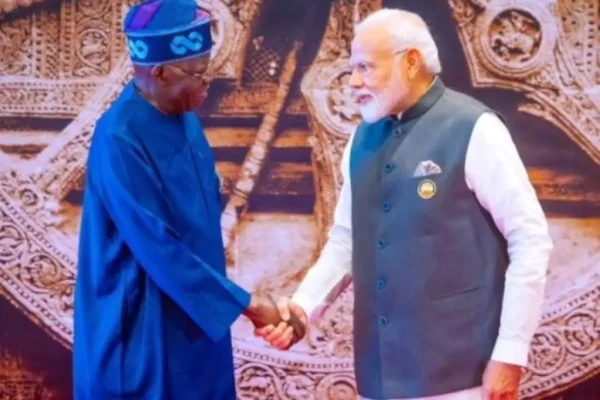




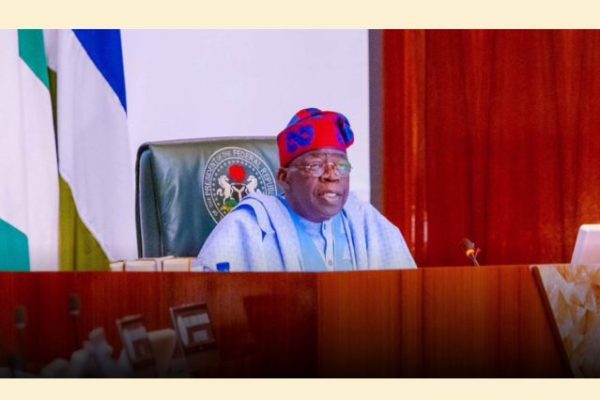







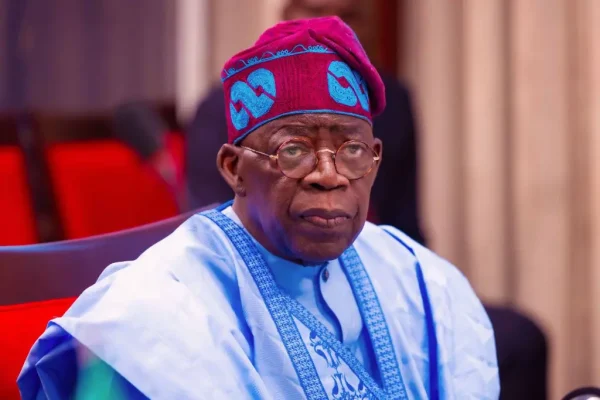






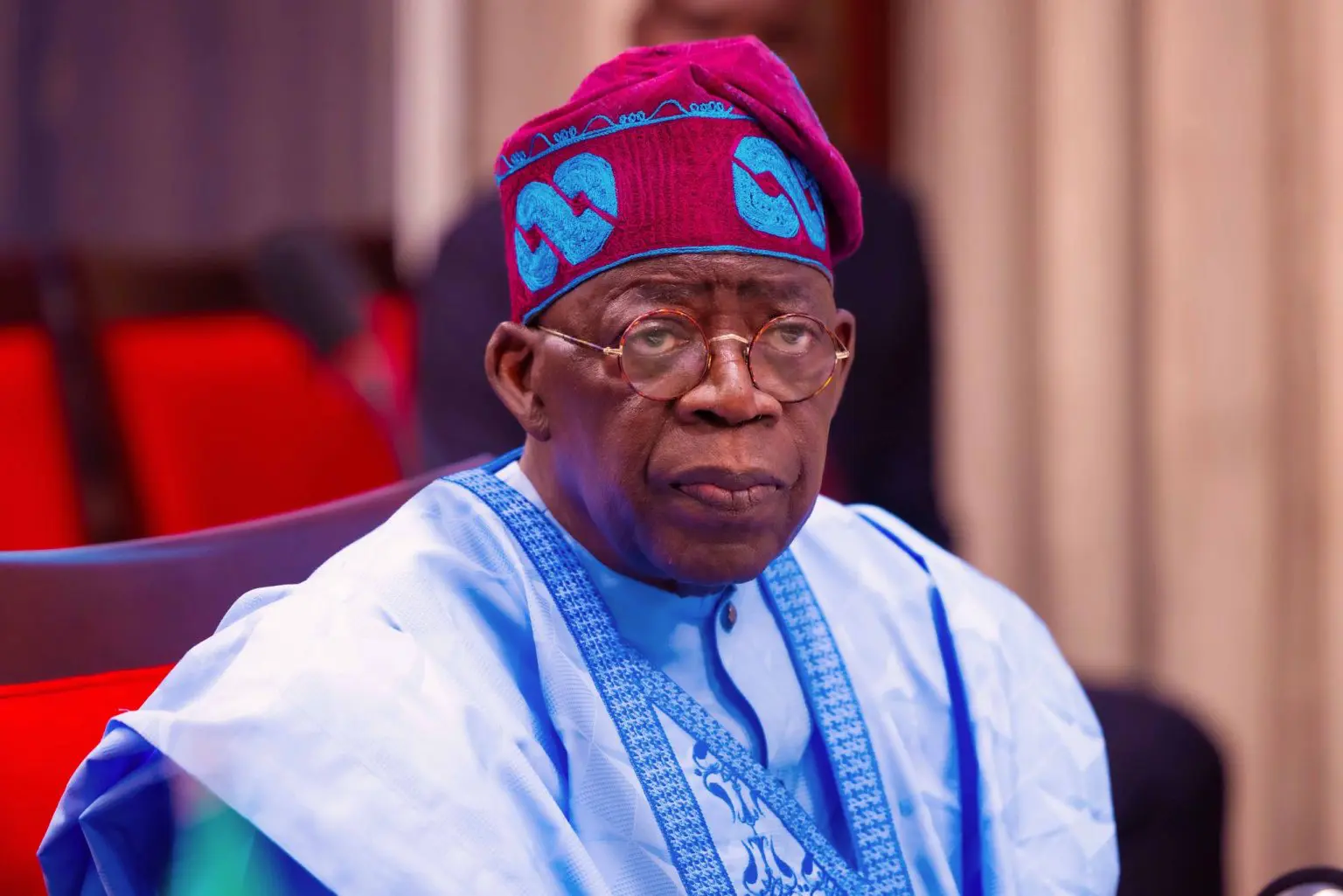
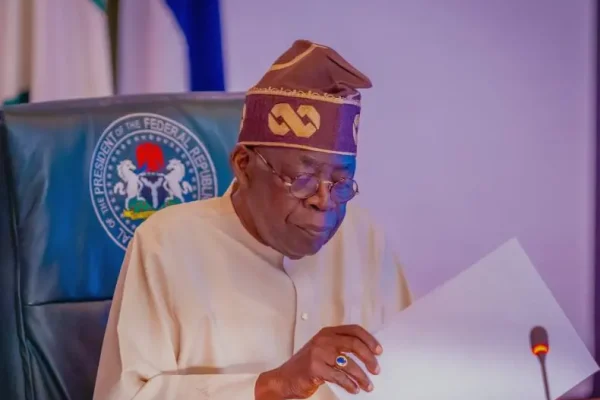
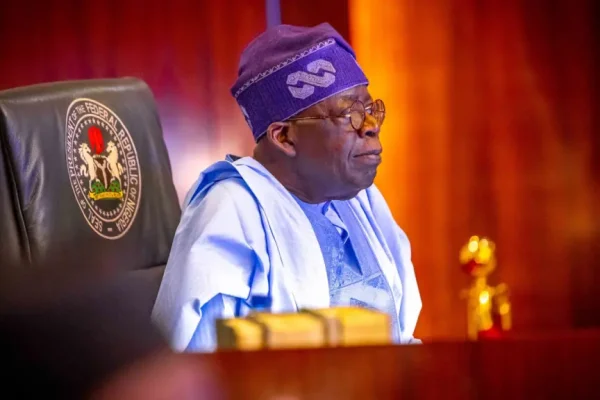
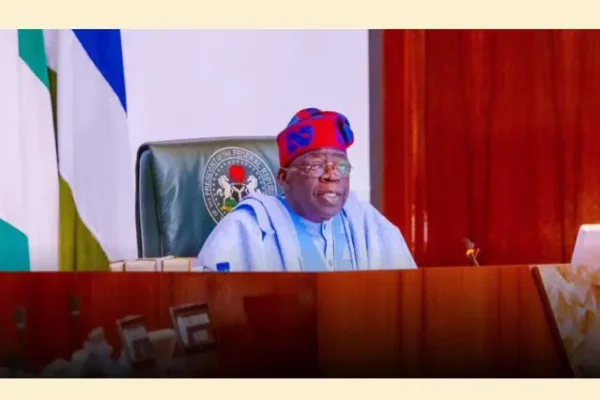
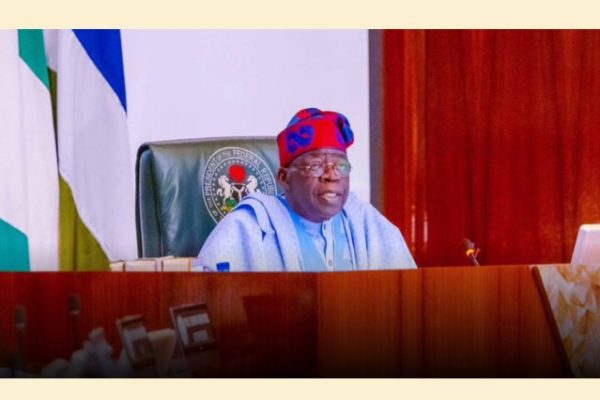
As global economic and political leaders converge on Davos, Switzerland, for the World Economic Forum to review the state of the world economy and set priorities for the 2026 financial year, Nigeria’s economic performance under President Bola Ahmed Tinubu has come under renewed focus.
Amid what supporters describe as deliberate attempts by some critics to portray Nigeria’s economy as being in distress, proponents of the administration argue that available data points instead to significant economic expansion and improved fiscal capacity at all tiers of government.
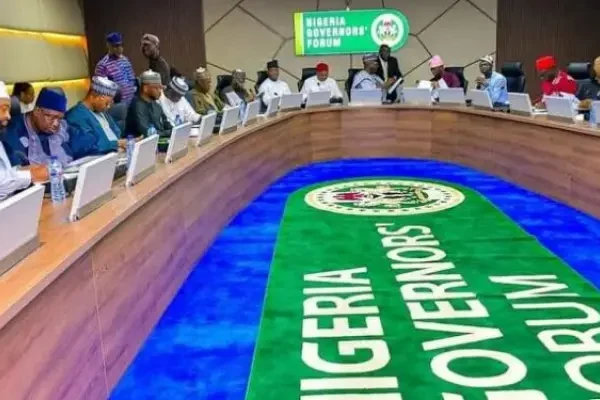
Central to this argument is the sharp increase in statutory allocations to states and local governments since President Tinubu assumed office. Under the current administration, states and councils are said to be receiving their highest allocations in Nigeria’s history, both in naira terms and dollar equivalents.

According to figures released through the Federation Accounts Allocation Committee (FAAC), allocations to the 36 states more than doubled compared to what they received during the previous administration, with some states recording even higher inflows.
FAAC disbursements to states in 2025 ranged from ₦498.49 billion in January to ₦789.12 billion in November, reflecting a steady upward trend. Local governments also received substantial allocations, beginning with ₦361.75 billion in January 2025 and peaking at ₦529.95 billion in October before closing the year with ₦505.80 billion in November.
Despite these inflows, many Nigerians continue to grapple with poor local roads, inadequate water supply, weak primary healthcare systems and dilapidated public schools.
Advocates of the Tinubu administration argue that blaming the President for these challenges ignores the constitutional responsibilities of governors and local government chairmen, who are charged with managing the microeconomy and delivering basic services at the grassroots.
They maintain that President Tinubu’s primary responsibility lies with managing the macroeconomy — a task they say he has handled effectively.
Nigeria recorded GDP growth rates of 3.4 per cent in 2024 and 4.1 per cent in 2025, while the World Bank projects growth of between 4.4 and 4.6 per cent for 2026 and 2027.
Within two years, Nigeria’s GDP reportedly expanded by about $67 billion, rising from ₦269.29 trillion at the start of the administration in May 2023 to approximately ₦372.8 trillion. The period also witnessed a rebound in foreign portfolio investment, with nearly $14 billion recorded between the first and third quarters of 2025.
In the capital market, the Nigerian Exchange achieved a historic milestone on January 5, 2026, when total market capitalisation crossed the ₦100 trillion mark for the first time, closing at ₦101.807 trillion, equivalent to about $67.8 billion.
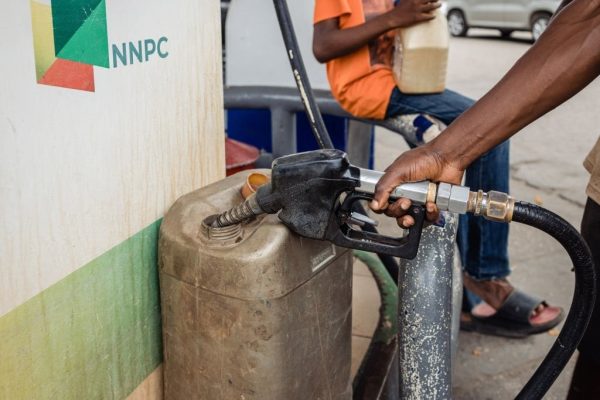
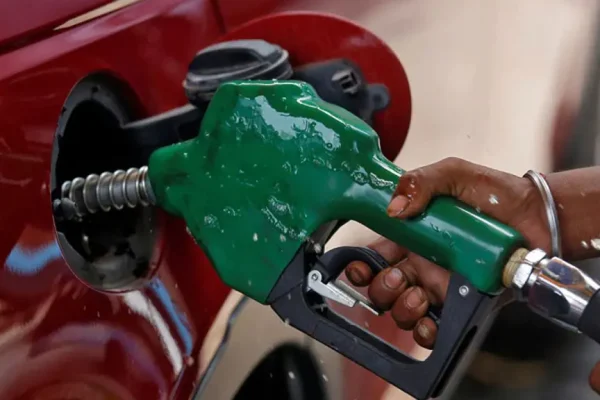
Supporters further cite improvements in key economic indicators, including the stabilisation of the naira, a significant reduction in petrol prices to between ₦699 and ₦739 per litre, and a drop in inflation from 24.48 per cent to below 13 per cent. Nigeria’s foreign reserves are also projected to reach $51 billion in the current quarter.
In education, the administration’s student loan scheme has reportedly benefited 864,000 students as of January 2026, with total disbursements of ₦161.97 billion covering tuition and upkeep.
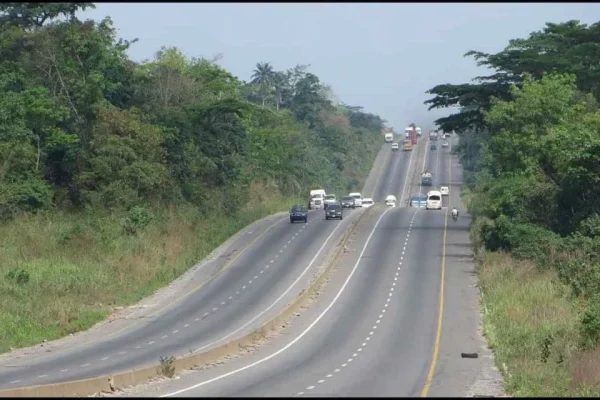
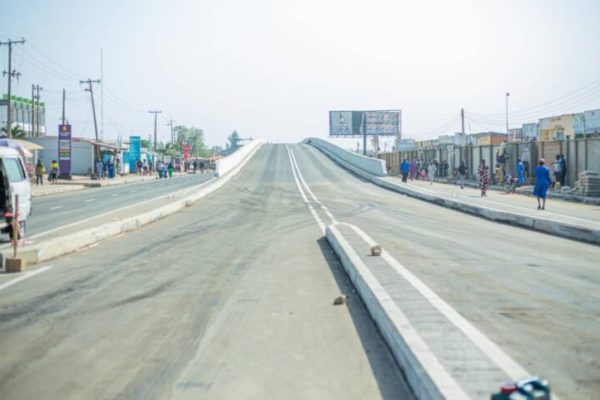
On infrastructure, the Tinubu administration is credited with initiating or approving 30 new federal universities, polytechnics and colleges, alongside major road, rail, power and water projects across the country. Flagship projects include the 750-kilometre Lagos–Calabar Coastal Highway, the Illela–Sokoto–Badagry Superhighway, the Ajaokuta–Kaduna–Kano gas pipeline, new rail lines, power plants and extensive road construction in the Federal Capital Territory.
Proponents argue that these projects demonstrate a broad national spread of development, countering claims of regional bias.
They conclude that while the President has empowered subnational governments with unprecedented financial resources, Nigerians must now demand accountability from their governors and local government chairmen over how these funds are utilised, particularly in addressing everyday challenges at the community level.