














![CAC removes 247 companies from database [Full List]](https://theprimenews.ng/wp-content/uploads/2025/08/Corporate-Affairs-Commission-CAC-building--600x400.webp)














































![‘I love Natasha’ – 2Face announces marriage plans with Edo lawmaker [VIDEO]](https://theprimenews.ng/wp-content/uploads/2025/02/GridArt_20250203_143302913-scaled-1-600x400.jpg)

























































![Europa League: 7 teams qualify for Round of 16, knockout stages [Full list]](https://theprimenews.ng/wp-content/uploads/2025/01/258743-1024x538-1-600x400.jpg)





![‘Jesus take the White House’ – Nathaniel Bassey ministers at Trump’s prayer breakfast [VIDEO]](https://theprimenews.ng/wp-content/uploads/2025/01/Nathaniel-Bassey-1024x681-1-600x400.webp)





















![Copa del Rey: All 8 teams in quarterfinal confirmed [Full list]](https://theprimenews.ng/wp-content/uploads/2025/01/1126686360.jpg.0-1024x683-1-600x400.webp)



































![‘I’m waiting on the Lord for kids’ – Eniola Badmus [VIDEO]](https://theprimenews.ng/wp-content/uploads/2025/01/Eniola-Badmus-1024x764-1-600x400.webp)
















































































![FIFPRO announces nominees for 2024 Men’s World XI [Full list]](https://theprimenews.ng/wp-content/uploads/2024/12/Image_20241202_160846_058-600x391.webp)




































![Jagun Jagun wins big at 2024 BON Awards [FULL LIST]](https://theprimenews.ng/wp-content/uploads/2024/11/20241013_181847-1024x715-1-600x400.jpg)





















































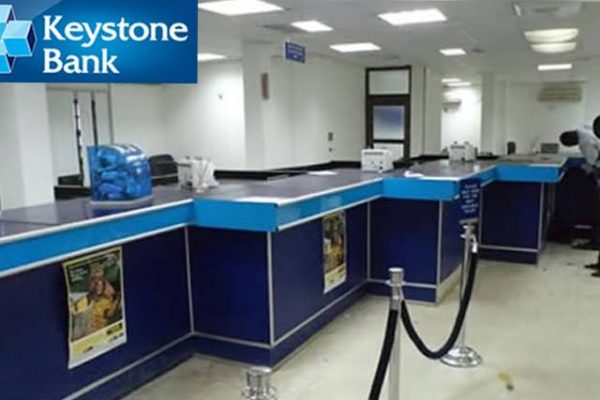
The federal government of Nigeria has outlined a roadmap for establishing a Cooperative Bank of Nigeria as part of ongoing reforms to revitalise the cooperative sector and expand access to affordable finance.
The roadmap, among other agendas, is currently on the table of stakeholders at the 8th National Council on Cooperative Affairs (NCCA) in Abuja, where they gathered to deliberate on strengthening cooperatives as engines of economic growth and to consider approval for the cooperative bank.
The proposed bank is a central pillar of the Renewed Hope Cooperative Reform and Revamp Programme (RH-CRRP), a national framework designed to modernise cooperative institutions, improve governance, and unlock financing opportunities for farmers, small businesses, and vulnerable groups.

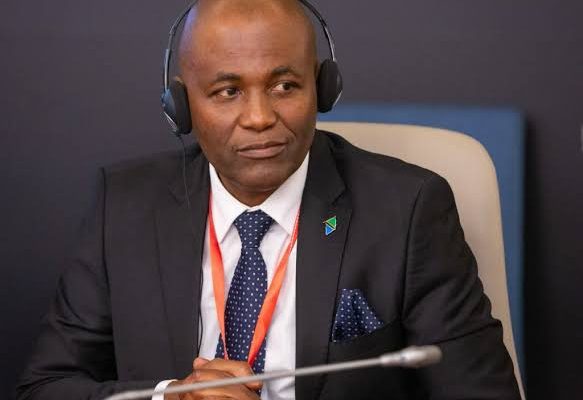
According to the minister of state for agriculture and food security, Aliyu Sabi Abdullahi, who delivered a keynote address at the event, the initiative seeks to address longstanding challenges confronting the sector, including underfunding, weak governance structures and exclusion from mainstream financial systems.
The minister noted that cooperatives remain critical to food production, rural development, housing and microenterprise sustainability.
He explained that the Cooperative Bank would complement other financial mechanisms such as Savings and Credit Cooperative Organisations (SACCOs) and a proposed Cooperative Relief Fund, aimed at providing affordable credit and strengthening grassroots economic activities.
The minister further disclosed that a technical framework and implementation roadmap for the bank have already been drafted, alongside ongoing efforts to digitalise cooperative operations through a national smart registry system and introduce a cooperative verification number.