













![CAC removes 247 companies from database [Full List]](https://theprimenews.ng/wp-content/uploads/2025/08/Corporate-Affairs-Commission-CAC-building--600x400.webp)










































![‘I love Natasha’ – 2Face announces marriage plans with Edo lawmaker [VIDEO]](https://theprimenews.ng/wp-content/uploads/2025/02/GridArt_20250203_143302913-scaled-1-600x400.jpg)



















































![Europa League: 7 teams qualify for Round of 16, knockout stages [Full list]](https://theprimenews.ng/wp-content/uploads/2025/01/258743-1024x538-1-600x400.jpg)




![‘Jesus take the White House’ – Nathaniel Bassey ministers at Trump’s prayer breakfast [VIDEO]](https://theprimenews.ng/wp-content/uploads/2025/01/Nathaniel-Bassey-1024x681-1-600x400.webp)
















![Copa del Rey: All 8 teams in quarterfinal confirmed [Full list]](https://theprimenews.ng/wp-content/uploads/2025/01/1126686360.jpg.0-1024x683-1-600x400.webp)

































![‘I’m waiting on the Lord for kids’ – Eniola Badmus [VIDEO]](https://theprimenews.ng/wp-content/uploads/2025/01/Eniola-Badmus-1024x764-1-600x400.webp)










































































![FIFPRO announces nominees for 2024 Men’s World XI [Full list]](https://theprimenews.ng/wp-content/uploads/2024/12/Image_20241202_160846_058-600x391.webp)



























![Jagun Jagun wins big at 2024 BON Awards [FULL LIST]](https://theprimenews.ng/wp-content/uploads/2024/11/20241013_181847-1024x715-1-600x400.jpg)









































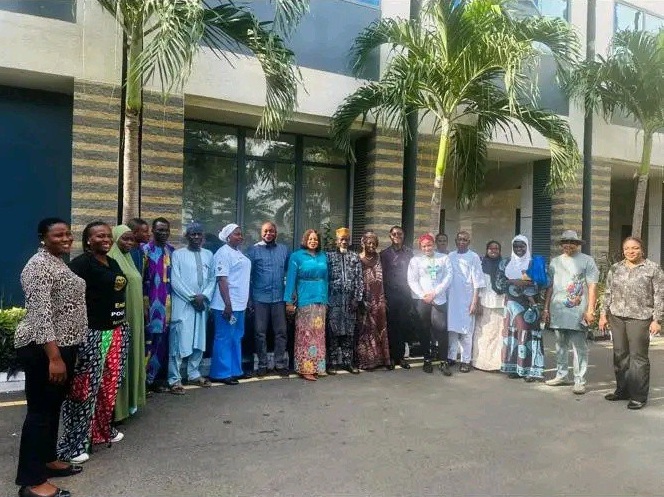
By Ahmed Olayinka
The Kwara State Government has reaffirmed its commitment to strengthening integrated healthcare services across the state as part of efforts to improve public health and combat communicable diseases.
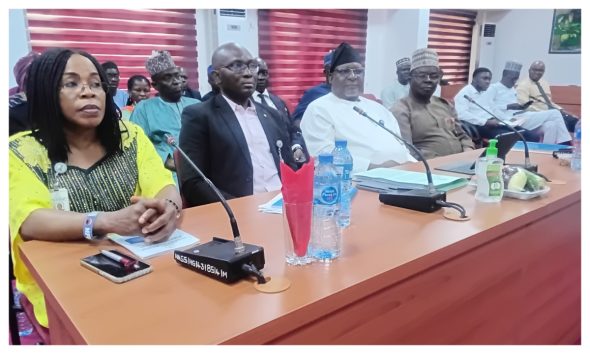
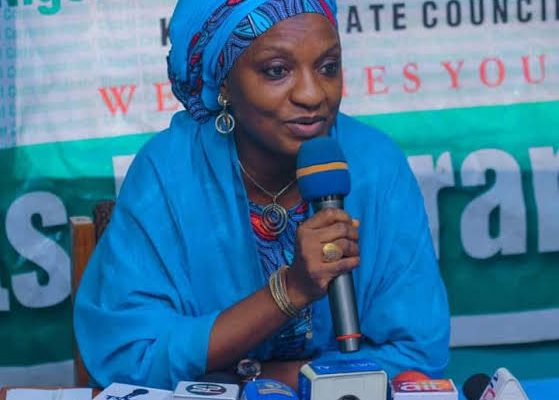
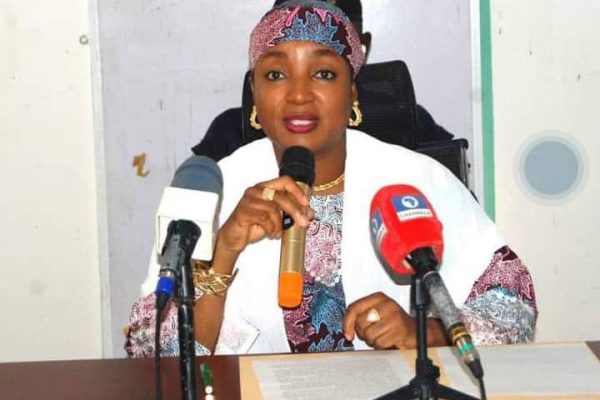
The Commissioner for Health, Dr. Amina Ahmed El-Imam, made this known during the opening of a three-day Social and Behaviour Change (SBC) training workshop organised by Jhpiego in collaboration with the Kwara State Ministry of Health.

Represented by the State AIDS Programme Coordinator, Dr. Muhammad Rasheed, the commissioner said the training was organised under the Advancing Integrated Health Services Delivery for Sexual and Reproductive Health and Rights (SRHR) and Communicable Diseases in Nigeria Project.
She explained that the programme was designed to equip healthcare workers and stakeholders with strategies and knowledge needed to improve service delivery at Primary Healthcare Centres across the state.
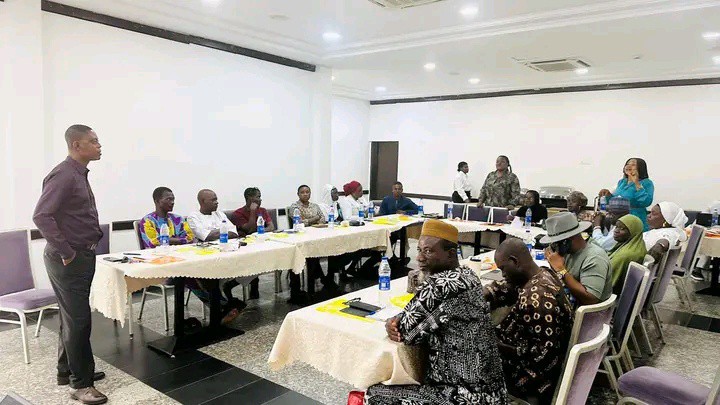
According to her, the workshop aligns with the state government’s vision of building a more accessible, responsive and people-oriented healthcare system.
Dr. El-Imam noted that the administration remains committed to policies and programmes aimed at improving access to quality healthcare, particularly for vulnerable groups, women, adolescents and residents in rural communities.
She stressed the importance of integrated healthcare services in reducing preventable deaths, tackling communicable diseases and promoting reproductive health and community wellbeing.
The commissioner also commended Jhpiego for supporting healthcare capacity building in the state and urged participants to maximise the opportunity provided by the training.
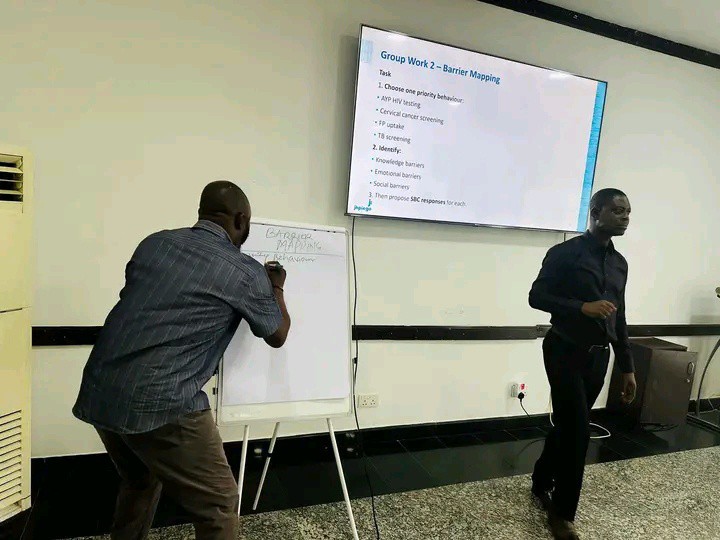
“The knowledge acquired during this workshop will improve service delivery at healthcare facilities and contribute to better health outcomes for residents,” she said.
Speaking at the event, the State Team Lead of Jhpiego, Williams Awotunde, highlighted the need for integrated healthcare services at Primary Healthcare Centres across Nigeria.
He said the training seeks to ensure that adolescents, young people and other vulnerable groups can access comprehensive healthcare services at PHCs.
Awotunde explained that priority areas under the programme include tuberculosis, hepatitis, HIV/AIDS, malaria, sexually transmitted infections, antenatal care and family planning services.
He further disclosed that similar training programmes are being conducted simultaneously in Kwara, Anambra, Ebonyi and Gombe states.
According to him, Asa, Moro and Offa Local Government Areas were selected for the programme in Kwara State, with five healthcare facilities chosen in each council area.
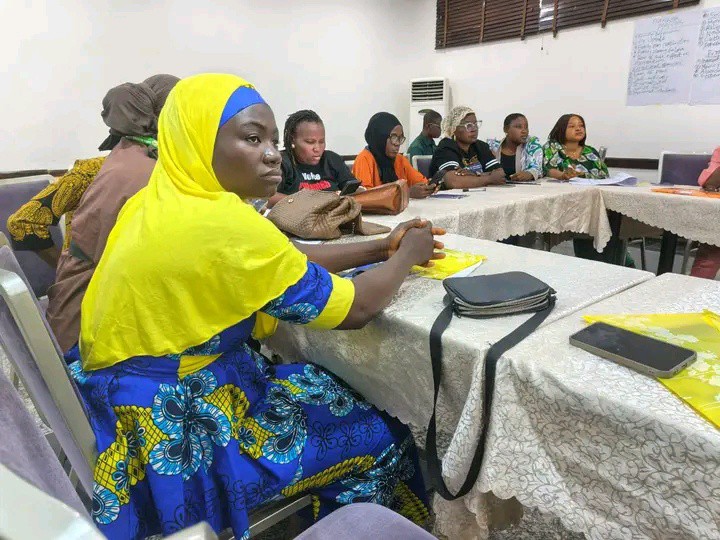
Also speaking, the State Health Educator at the Ministry of Health, Jibril AbdulKarim, identified socio-cultural, economic, physical, and health system barriers as major challenges affecting behavioural change among residents.
He stressed the need for people-centred solutions that take into account the realities, beliefs, and experiences of communities.
In her remarks, the Community Engagement Officer of Jhpiego, Sharon Gabriel, identified six key determinants of social behavioural change, including knowledge, attitude, emotions, self-efficacy, social norms and environmental factors.
She called for positive attitudinal changes among residents to encourage acceptance and utilisation of integrated healthcare services across the state.