











![CAC removes 247 companies from database [Full List]](https://theprimenews.ng/wp-content/uploads/2025/08/Corporate-Affairs-Commission-CAC-building--600x400.webp)






































![‘I love Natasha’ – 2Face announces marriage plans with Edo lawmaker [VIDEO]](https://theprimenews.ng/wp-content/uploads/2025/02/GridArt_20250203_143302913-scaled-1-600x400.jpg)








































![Europa League: 7 teams qualify for Round of 16, knockout stages [Full list]](https://theprimenews.ng/wp-content/uploads/2025/01/258743-1024x538-1-600x400.jpg)


![‘Jesus take the White House’ – Nathaniel Bassey ministers at Trump’s prayer breakfast [VIDEO]](https://theprimenews.ng/wp-content/uploads/2025/01/Nathaniel-Bassey-1024x681-1-600x400.webp)


















![Copa del Rey: All 8 teams in quarterfinal confirmed [Full list]](https://theprimenews.ng/wp-content/uploads/2025/01/1126686360.jpg.0-1024x683-1-600x400.webp)
































![‘I’m waiting on the Lord for kids’ – Eniola Badmus [VIDEO]](https://theprimenews.ng/wp-content/uploads/2025/01/Eniola-Badmus-1024x764-1-600x400.webp)








































































![FIFPRO announces nominees for 2024 Men’s World XI [Full list]](https://theprimenews.ng/wp-content/uploads/2024/12/Image_20241202_160846_058-600x391.webp)
























![Jagun Jagun wins big at 2024 BON Awards [FULL LIST]](https://theprimenews.ng/wp-content/uploads/2024/11/20241013_181847-1024x715-1-600x400.jpg)





































By Ahmed Olayinka
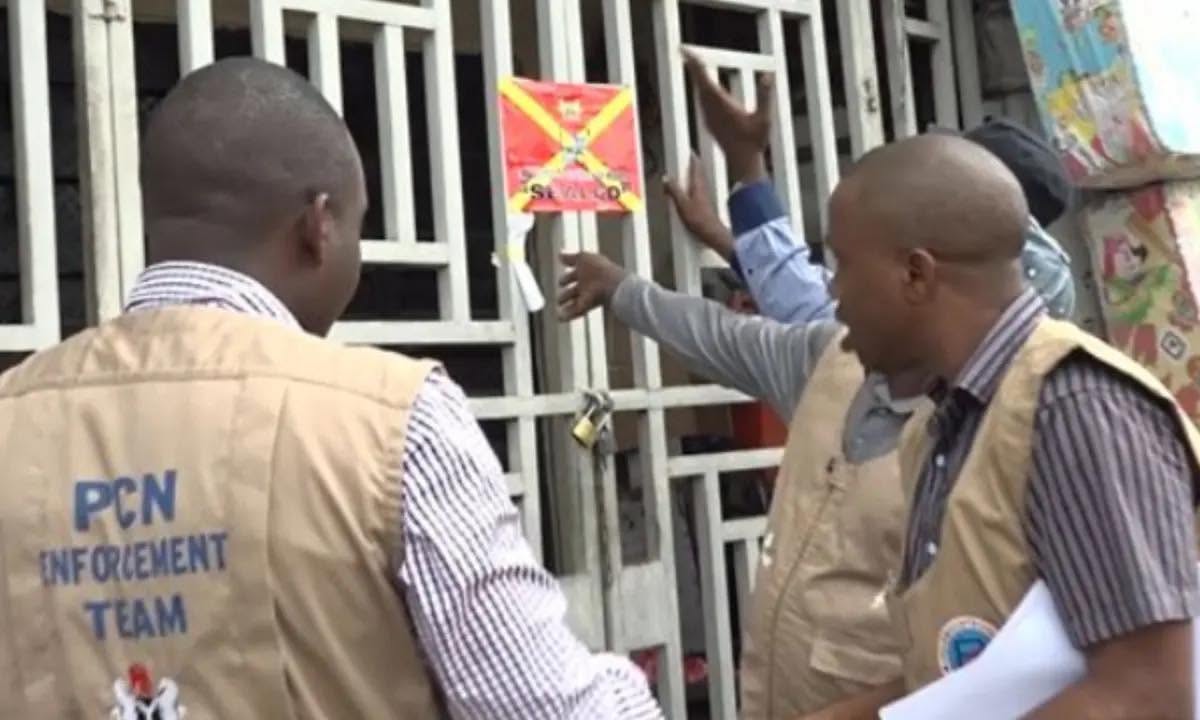
The Kwara State Government has expressed deep concern over the discovery and closure of 724 illegal drug premises across the state by inspectors of the Pharmacy Council of Nigeria (PCN), describing the situation as alarming and a major threat to public health.
The government, while commending the Pharmacy Council for the successful enforcement exercise, said the large number of unregistered and unauthorized drug outlets uncovered across various communities highlights the urgent need for stronger surveillance and regulatory oversight within the pharmaceutical sector.

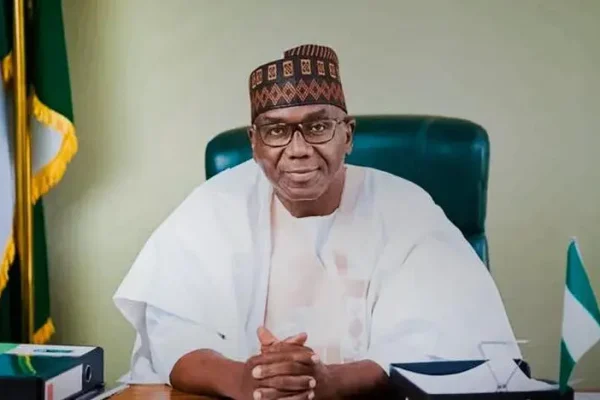
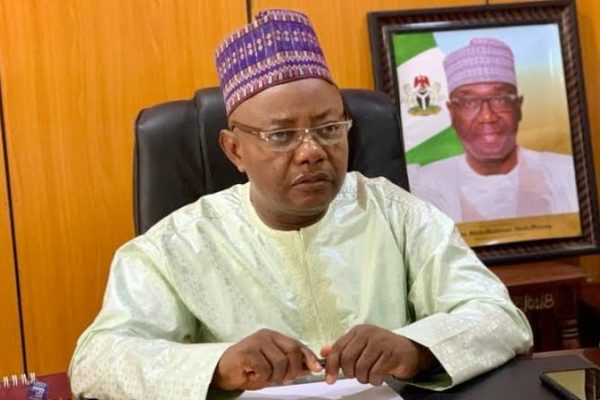
This position was contained in a statement issued by the Executive Secretary of the Kwara State Hospitals Management Board, Dr. Abdulraheem Malik, who warned that the widespread existence of illegal drug outlets poses serious risks to the health and wellbeing of residents.
According to Malik, the discovery suggests that many people may have unknowingly patronized unlicensed medicine vendors for years, thereby exposing themselves to substandard healthcare practices and potentially dangerous medications.
“The recent discovery and closure of 724 illegal drug premises in Kwara State by inspectors of the Pharmacy Council of Nigeria from Abuja is a source of serious concern to the Kwara State Government and all stakeholders in the health sector,” he stated.
“While the enforcement exercise is commendable, the sheer number of illegal premises uncovered is alarming and unacceptable.”
He explained that many of the illegal drug outlets are operated by individuals who lack the necessary pharmaceutical qualifications and professional competence required for the proper handling, storage and dispensing of medications.
According to him, such operators often lack adequate knowledge of drug storage conditions, medication counseling, dosage administration, adverse drug reactions, and potential drug interactions, thereby exposing unsuspecting members of the public to avoidable health complications.
“Such operators do not possess adequate knowledge of drug storage requirements, medication counselling, dosage management, adverse drug reactions, or drug interactions.
The result can be treatment failure, medication errors, antimicrobial resistance, avoidable complications and even loss of life,” Malik said.
He further noted that the true impact of the illegal drug trade on public health may never be fully determined, as numerous cases of prolonged illnesses, treatment failures and medication-related complications may have originated from medicines obtained through unregulated sources without being properly traced.
Dr. Malik described the findings of the Pharmacy Council as a wake-up call for relevant stakeholders, particularly members of the Kwara State Pharmaceutical Inspectors Committee, urging them to intensify surveillance and enforcement activities across the state.
“The staggering figure of 724 illegal premises suggests that existing surveillance and enforcement mechanisms require strengthening.
The Kwara State Pharmaceutical Inspectors Committee should redirect its energy toward developing more robust and proactive strategies aimed at identifying and eliminating illegal drug outlets before they become entrenched in our communities,” he said.
As part of efforts to strengthen grassroots monitoring, Malik recommended closer collaboration with the Community Health Committees established by the Hospitals Management Board in 46 communities across the state.
He explained that the committees have already proven effective in supporting the monitoring and supervision of government-owned healthcare facilities, especially in rural and underserved areas and could play a crucial role in identifying and reporting illegal drug vendors.
“These committees have already demonstrated their effectiveness in supporting the monitoring and supervision of state-owned health facilities, particularly in rural and underserved communities.
“Their grassroots presence and close relationship with community members position them to serve as valuable partners in identifying and reporting illegal drug premises and unauthorised medicine vendors,” he added.
The Executive Secretary also stressed the need for sustained public awareness campaigns to educate residents on the dangers of patronizing unlicensed drug outlets and encourage them to obtain medications only from registered pharmacies and licensed healthcare providers.
He expressed optimism that with stronger regulatory vigilance, community participation, and sustained enforcement, the number of illegal drug premises in the state would significantly decline before future inspections by the Pharmacy Council of Nigeria.
“The goal must be unequivocal: when PCN inspectors from Abuja return for future enforcement exercises, they should find a significantly reduced number of illegal drug premises in Kwara State.
“Such an outcome would demonstrate that lessons have been learned, corrective actions have been implemented and public health protection remains a top priority,” he stated.
Malik emphasized that safeguarding residents from unsafe and improperly dispensed medicines is a collective responsibility that requires the commitment of regulators, healthcare professionals, community leaders and the general public.
He added that the discovery of 724 illegal drug outlets should serve as a catalyst for stronger enforcement, enhanced regulatory oversight and sustained efforts aimed at building a safer, more professional and better-regulated pharmaceutical sector in Kwara State.