









![CAC removes 247 companies from database [Full List]](https://theprimenews.ng/wp-content/uploads/2025/08/Corporate-Affairs-Commission-CAC-building--600x400.webp)





















![‘I love Natasha’ – 2Face announces marriage plans with Edo lawmaker [VIDEO]](https://theprimenews.ng/wp-content/uploads/2025/02/GridArt_20250203_143302913-scaled-1-600x400.jpg)























![Europa League: 7 teams qualify for Round of 16, knockout stages [Full list]](https://theprimenews.ng/wp-content/uploads/2025/01/258743-1024x538-1-600x400.jpg)


![‘Jesus take the White House’ – Nathaniel Bassey ministers at Trump’s prayer breakfast [VIDEO]](https://theprimenews.ng/wp-content/uploads/2025/01/Nathaniel-Bassey-1024x681-1-600x400.webp)







![Copa del Rey: All 8 teams in quarterfinal confirmed [Full list]](https://theprimenews.ng/wp-content/uploads/2025/01/1126686360.jpg.0-1024x683-1-600x400.webp)





















![‘I’m waiting on the Lord for kids’ – Eniola Badmus [VIDEO]](https://theprimenews.ng/wp-content/uploads/2025/01/Eniola-Badmus-1024x764-1-600x400.webp)














































![FIFPRO announces nominees for 2024 Men’s World XI [Full list]](https://theprimenews.ng/wp-content/uploads/2024/12/Image_20241202_160846_058-600x391.webp)








![Jagun Jagun wins big at 2024 BON Awards [FULL LIST]](https://theprimenews.ng/wp-content/uploads/2024/11/20241013_181847-1024x715-1-600x400.jpg)















By Ahmed Olayinka
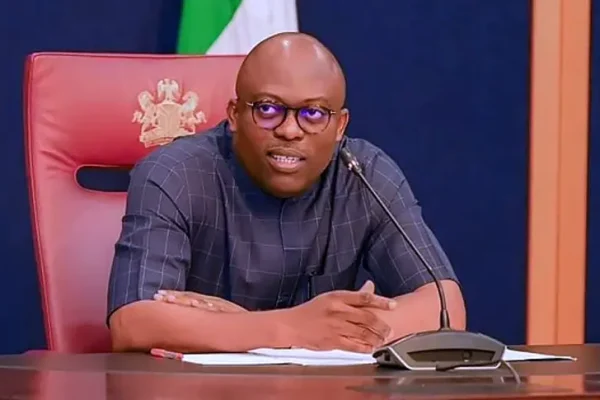
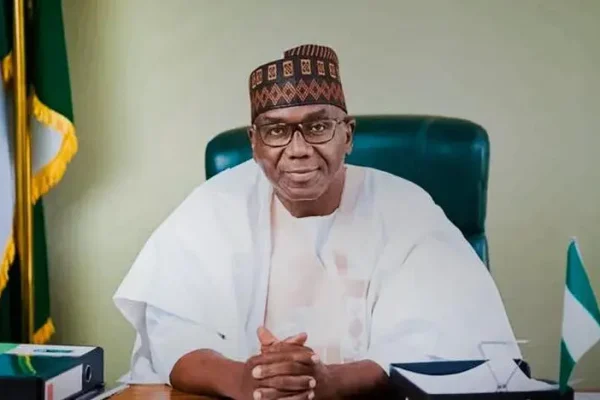
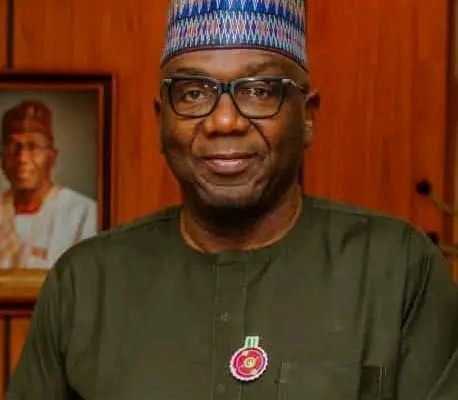
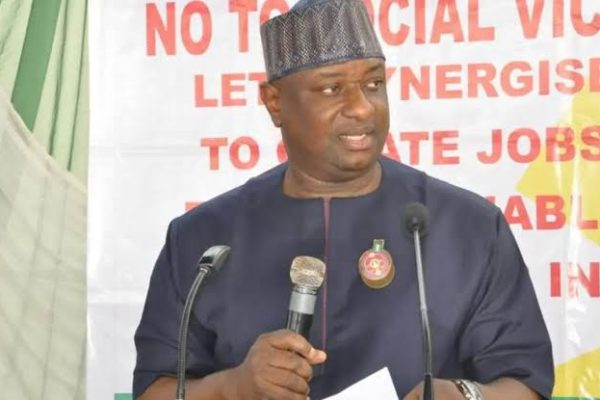
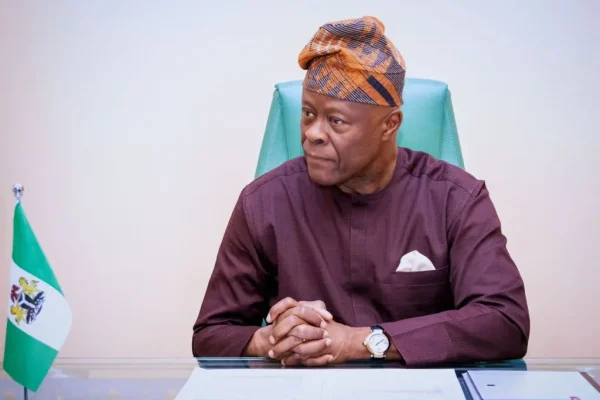
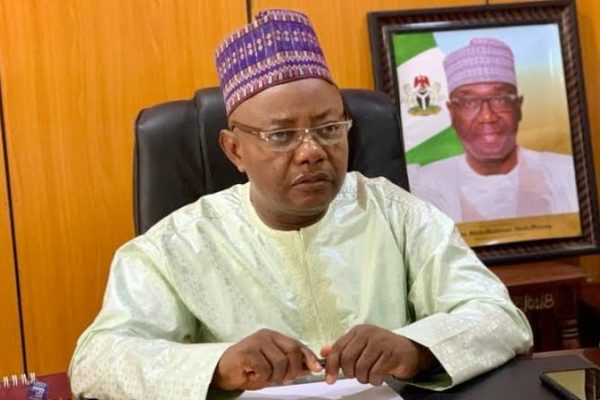
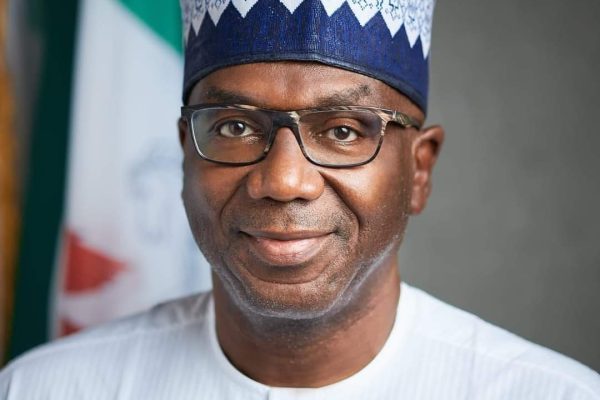
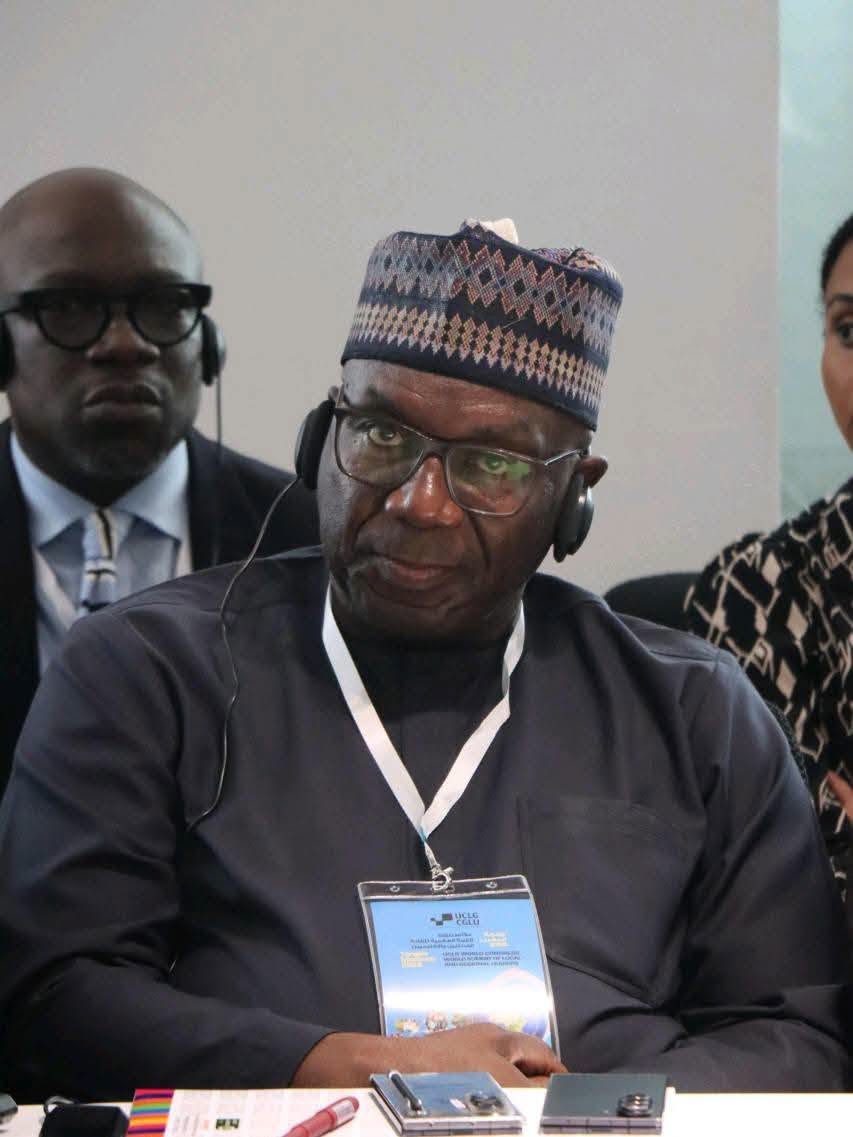
Kwara State Governor and Chairman of the Nigeria Governors’ Forum, Mallam AbdulRahman AbdulRazaq, has been elected President of the Forum of African Regions (FORAF), a continental body dedicated to promoting regional cooperation, decentralisation, and sustainable development across Africa.
AbdulRazaq emerged as president during the Forum’s meeting held on Monday in Tangier, Morocco, on the sidelines of the United Cities and Local Governments (UCLG) World Congress.

His election places him at the forefront of efforts to strengthen collaboration among African regions and advance policies aimed at accelerating socioeconomic development, continental integration, and effective governance at the subnational level.
The development was disclosed in a statement issued by the Deputy Chief Press Secretary to the Kwara State Governor, Mashood Agboola, who noted that the new leadership team would focus on deepening regional partnerships and promoting inclusive growth across Africa.
According to the statement, the Forum of African Regions serves as a platform for regional and state governments across the continent to foster decentralisation, devolution of powers, and stronger cooperation among subnational authorities.
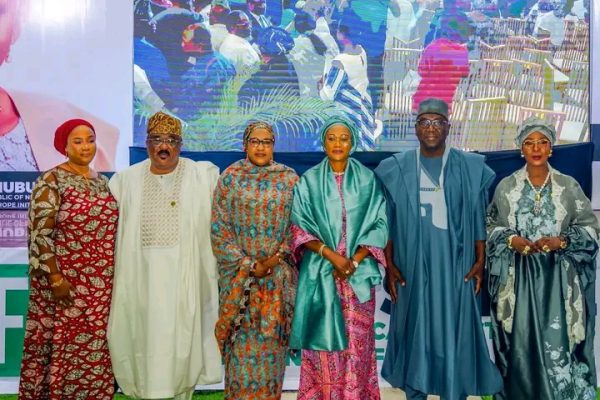
As president of the body, AbdulRazaq will work alongside four newly elected vice presidents representing different regions of the continent. They include Mr. Ousmanou Oumarou of the Association of Regions of Cameroon for Central Africa, Ms. Mbarka Bouaida of the Association of Regions of Morocco for North Africa, Mr. Peter Anyang’ Nyong’o of Kisumu County, Kenya, for East Africa, and Mr. Panyaza Lesufi of Gauteng Province, South Africa, for Southern Africa.
The statement explained that the new leadership is expected to champion policies and initiatives that will amplify the voice of African regions while strengthening decentralised governance and cooperation among subnational governments.
Speaking after his election, Governor AbdulRazaq emphasized the need for African nations and regions to work more closely together in addressing development challenges and unlocking the continent’s enormous economic potential.
He observed that geography has often posed challenges to economic integration in several parts of Africa but stressed that strategic leadership, investment, and cooperation can overcome such barriers.
“History has shown that visionary leadership, strategic investment, and regional cooperation can overcome geographical barriers,” he said.
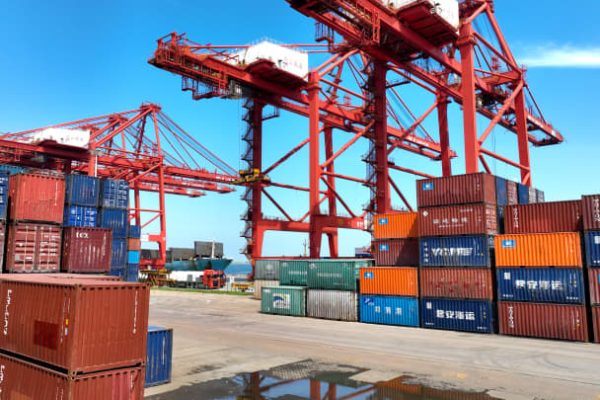
The governor highlighted the importance of infrastructure development and connectivity in promoting economic growth and regional integration.
“Around the world, nations have reduced the limitations imposed by geography through infrastructure, transport corridors, canals, and other forms of connectivity that link people, markets, and opportunities,” AbdulRazaq stated.
He expressed confidence that Africa possesses the capacity to achieve similar progress through deliberate investments and stronger partnerships among cities, regions, and countries.
According to him, enhanced connectivity would promote trade, innovation, environmental sustainability, and inclusive economic growth across the continent.
“Africa has the capacity to do the same. By working together, investing in connectivity, and strengthening partnerships among our cities and regions, we can create sustainable linkages that support trade, innovation, environmental stewardship, and inclusive growth,” he said.
The governor further called on African leaders and stakeholders to embrace a collective vision of development and integration, noting that the continent’s future depends on stronger collaboration among its regions.
“Tangier and Cape Town should not merely be seen as distant points on a map, but as anchors of a connected African future. This vision is achievable if we act collectively and embrace the spirit of cooperation that this Congress represents,” he added.
The Forum of African Regions is expected to play a crucial role in fostering regional development, strengthening local governance structures, and advancing policies that support sustainable growth and economic integration across the African continent.
AbdulRazaq’s emergence as president of the continental body is widely seen as a recognition of his leadership experience and commitment to governance, while also placing Kwara State and Nigeria in a strategic position within discussions on Africa’s future development agenda.