









![CAC removes 247 companies from database [Full List]](https://theprimenews.ng/wp-content/uploads/2025/08/Corporate-Affairs-Commission-CAC-building--600x400.webp)




























![‘I love Natasha’ – 2Face announces marriage plans with Edo lawmaker [VIDEO]](https://theprimenews.ng/wp-content/uploads/2025/02/GridArt_20250203_143302913-scaled-1-600x400.jpg)



































![Europa League: 7 teams qualify for Round of 16, knockout stages [Full list]](https://theprimenews.ng/wp-content/uploads/2025/01/258743-1024x538-1-600x400.jpg)




![‘Jesus take the White House’ – Nathaniel Bassey ministers at Trump’s prayer breakfast [VIDEO]](https://theprimenews.ng/wp-content/uploads/2025/01/Nathaniel-Bassey-1024x681-1-600x400.webp)










![Copa del Rey: All 8 teams in quarterfinal confirmed [Full list]](https://theprimenews.ng/wp-content/uploads/2025/01/1126686360.jpg.0-1024x683-1-600x400.webp)



























![‘I’m waiting on the Lord for kids’ – Eniola Badmus [VIDEO]](https://theprimenews.ng/wp-content/uploads/2025/01/Eniola-Badmus-1024x764-1-600x400.webp)























































![FIFPRO announces nominees for 2024 Men’s World XI [Full list]](https://theprimenews.ng/wp-content/uploads/2024/12/Image_20241202_160846_058-600x391.webp)

















![Jagun Jagun wins big at 2024 BON Awards [FULL LIST]](https://theprimenews.ng/wp-content/uploads/2024/11/20241013_181847-1024x715-1-600x400.jpg)

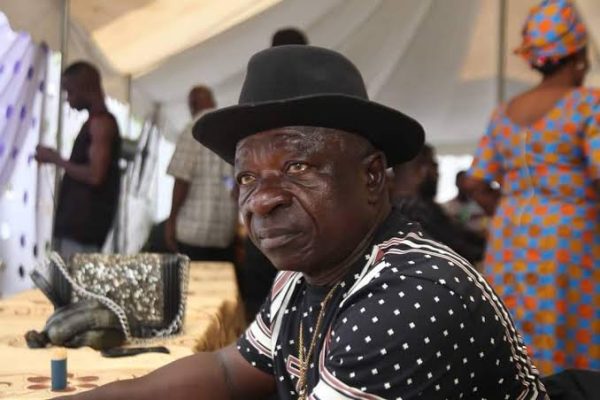



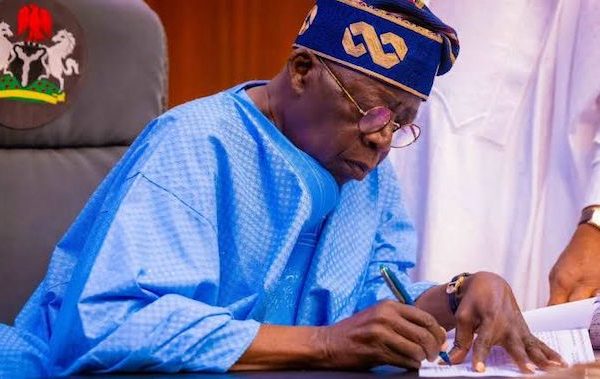


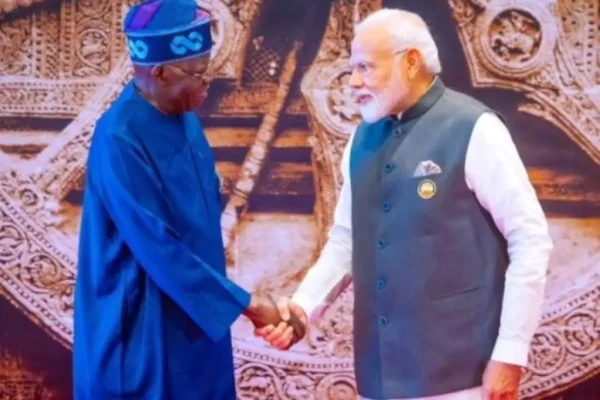
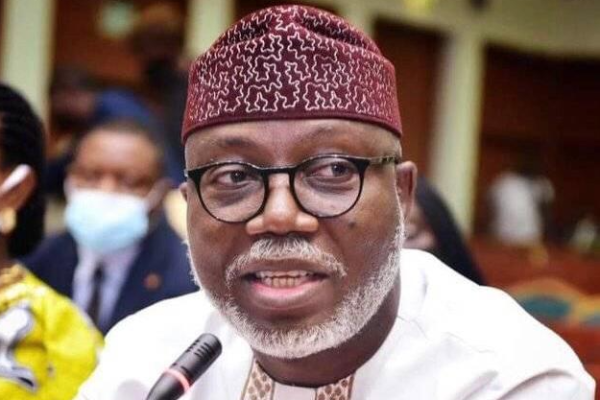



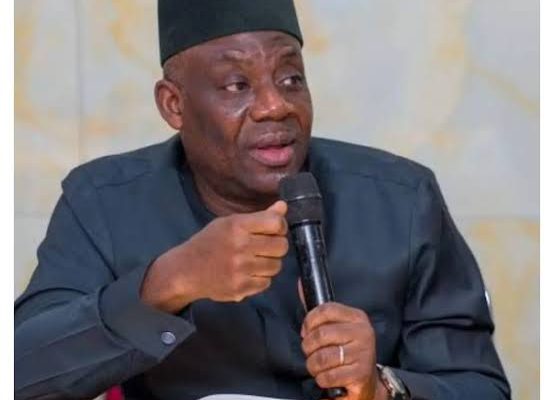
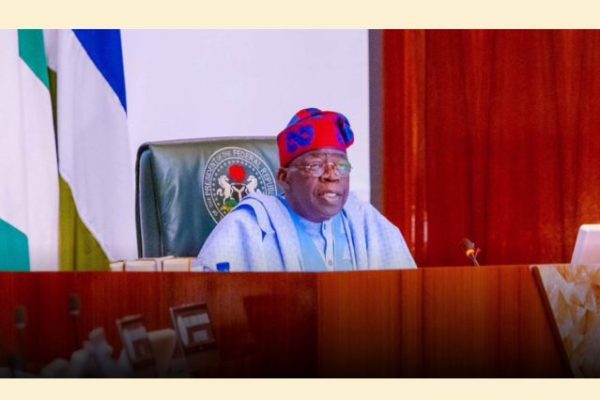







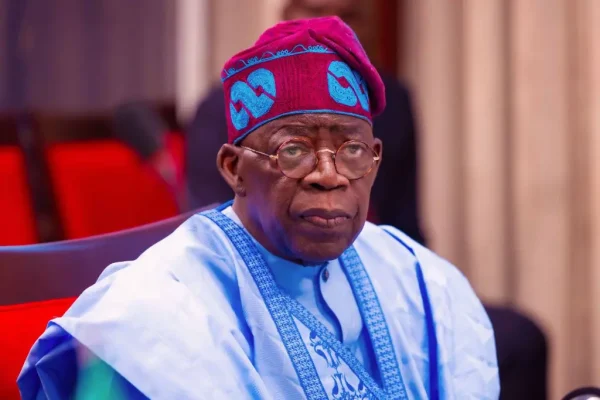






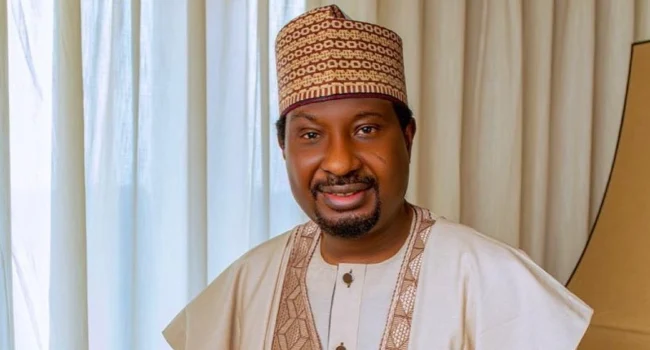
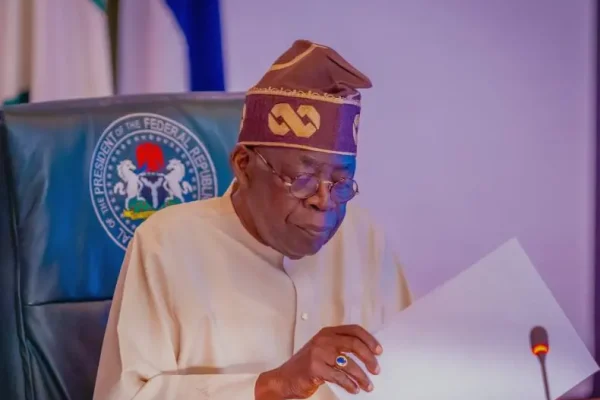
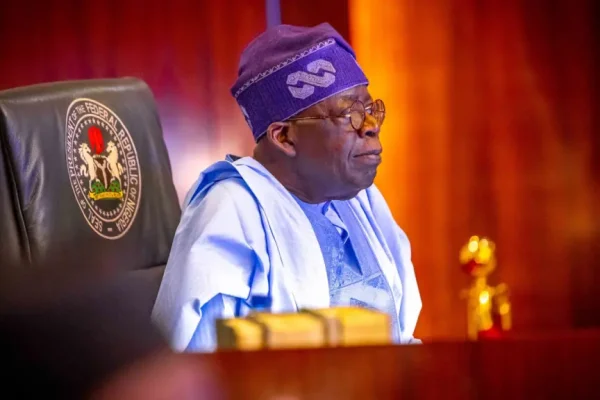
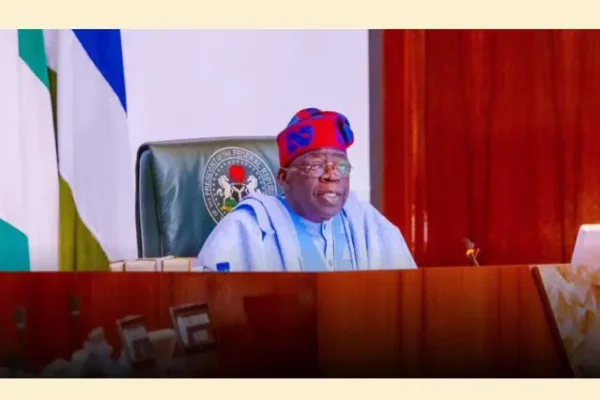
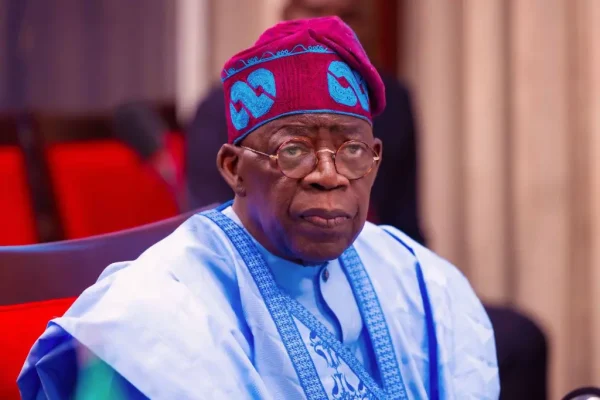
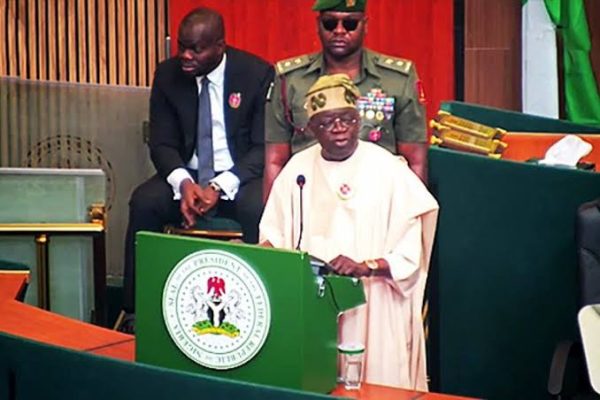
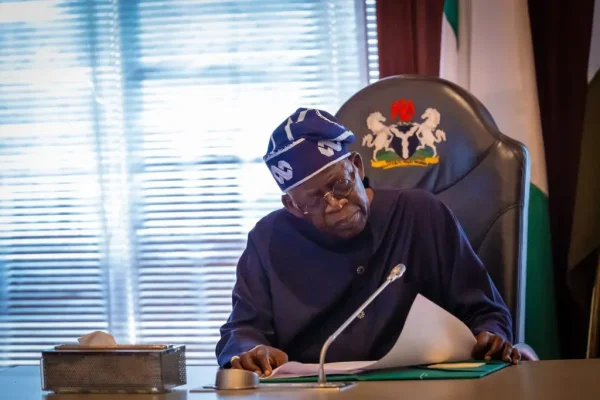
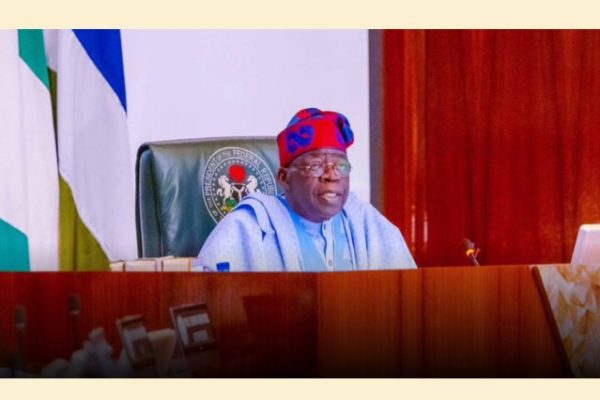
The Deputy President of the Senate, Senator Barau Jibrin, has described President Bola Tinubu’s push for the establishment of state police as a “masterstroke” that would significantly strengthen Nigeria’s security architecture and help tackle insecurity, particularly in Northern Nigeria.
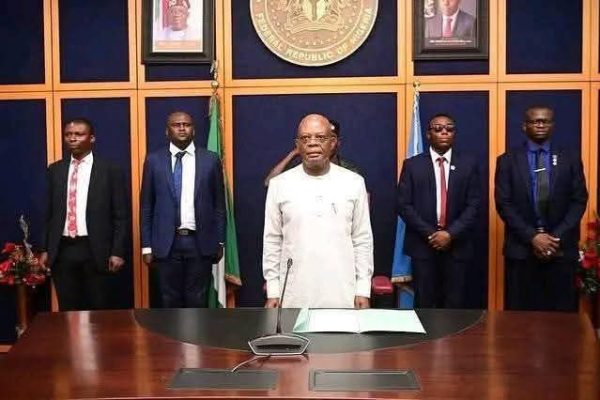
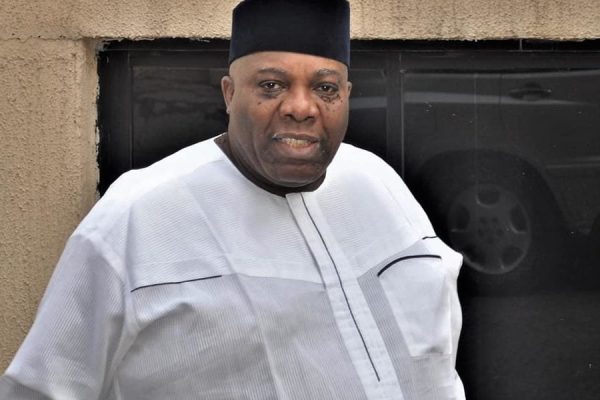
Barau stated this during an interview on Hannu Da Yawa, a live Hausa programme on Radio Nigeria Kaduna.
A statement issued on Sunday by his Special Adviser on Media and Publicity, Ismail Mudashir, said the Deputy Senate President fielded questions from callers across Northern Nigeria during the two-hour programme, where he explained the rationale behind the State Police Bill recently passed by the Senate.

According to him, the executive bill, initiated by President Tinubu, was the product of extensive consultations involving the Presidency, the National Assembly, the Inspector-General of Police, retired police officers, policing experts, governors, civil society organisations and members of the public.
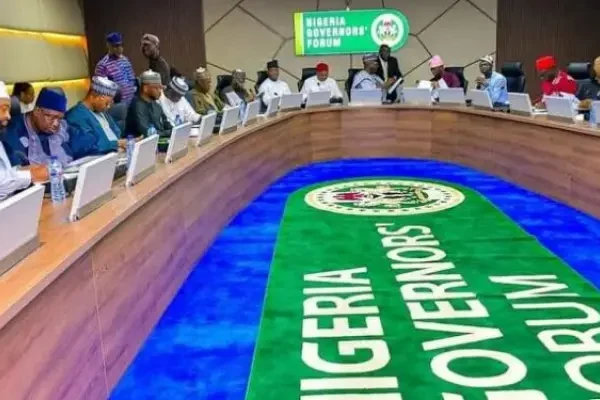
The Chairman of the Senate Committee on Constitution Review said the proposal had also undergone public hearings across the six geopolitical zones and the Federal Capital Territory, with several safeguards incorporated to prevent abuse.
“President Tinubu carefully studied the situation and discovered that while many Nigerians support State Police, there are fears that it could be abused or misused for political or ethnic purposes. That is why safeguards have been built into the system,” Barau said.
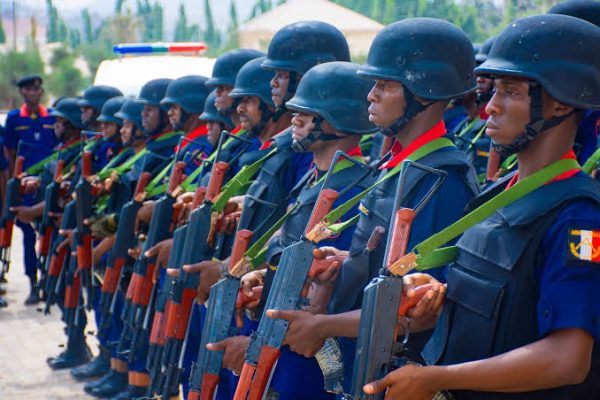
He explained that state police would complement, rather than replace, the Nigeria Police Force by enhancing community-based policing through officers recruited from their local communities.
“State Police operatives, who will be recruited from local communities, know the people, the terrain and even the criminals. This will significantly improve our response to banditry, kidnapping and other crimes.
“The North stands to benefit significantly. This initiative is designed to bring lasting peace to the worst-hit areas,” he said while responding to a question from Zubairu Mohammed, a farmer from Kankia Local Government Area of Katsina State.
The Deputy Senate President said the proposed constitutional framework contained adequate legal protections and institutional checks to guard against political interference or abuse.
“If State Police are used for intimidation or actions that threaten lives and property, the President has the constitutional authority to intervene and direct the Federal Police to take over,” he said in response to a question from Abubakar Auwal of Sokoto State.
Barau also reassured Nigerians that responsibilities would be clearly defined between the federal and state police services, with the Nigeria Police Force retaining responsibility for national security matters such as terrorism and cybercrime, while state police would focus on internal law enforcement and public order.
Responding to a question from Nazifi Ibrahim of Zaria, Kaduna State, the lawmaker said state police commandants would be appointed through a rigorous process and protected by law from undue political interference.
He also acknowledged concerns over funding and operational capacity, saying the necessary financial frameworks and operational standards would be developed as the constitutional amendment process and enabling legislation progressed.
Barau expressed confidence that state Houses of Assembly would support the initiative and urged Nigerians to embrace the reform as a necessary step towards addressing the country’s security challenges.
“We must re-engineer our security architecture to better protect lives and property while guarding against abuse. This is a balanced, consultative initiative built on safeguards and aimed at bringing policing closer to the people,” he said.
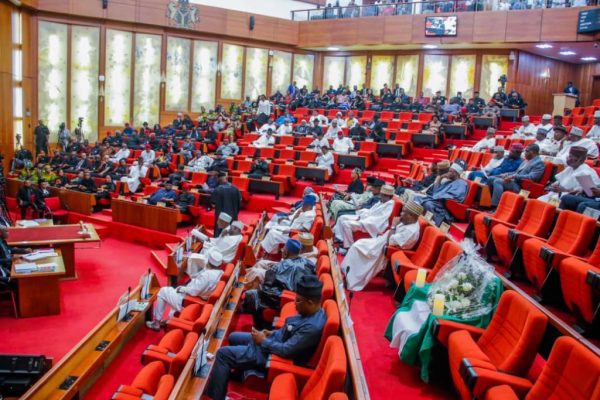
The Senate recently passed the Constitution Alteration Bill seeking to create state police as part of the ongoing amendments to the 1999 Constitution.
The proposal, which has generated nationwide debate over its benefits and possible misuse by state governments, is expected to undergo further legislative processes, including consideration by state Houses of Assembly, before it can become law.