









![CAC removes 247 companies from database [Full List]](https://theprimenews.ng/wp-content/uploads/2025/08/Corporate-Affairs-Commission-CAC-building--600x400.webp)

































![‘I love Natasha’ – 2Face announces marriage plans with Edo lawmaker [VIDEO]](https://theprimenews.ng/wp-content/uploads/2025/02/GridArt_20250203_143302913-scaled-1-600x400.jpg)







































![Europa League: 7 teams qualify for Round of 16, knockout stages [Full list]](https://theprimenews.ng/wp-content/uploads/2025/01/258743-1024x538-1-600x400.jpg)



![‘Jesus take the White House’ – Nathaniel Bassey ministers at Trump’s prayer breakfast [VIDEO]](https://theprimenews.ng/wp-content/uploads/2025/01/Nathaniel-Bassey-1024x681-1-600x400.webp)










![Copa del Rey: All 8 teams in quarterfinal confirmed [Full list]](https://theprimenews.ng/wp-content/uploads/2025/01/1126686360.jpg.0-1024x683-1-600x400.webp)




























![‘I’m waiting on the Lord for kids’ – Eniola Badmus [VIDEO]](https://theprimenews.ng/wp-content/uploads/2025/01/Eniola-Badmus-1024x764-1-600x400.webp)
























































![FIFPRO announces nominees for 2024 Men’s World XI [Full list]](https://theprimenews.ng/wp-content/uploads/2024/12/Image_20241202_160846_058-600x391.webp)

















![Jagun Jagun wins big at 2024 BON Awards [FULL LIST]](https://theprimenews.ng/wp-content/uploads/2024/11/20241013_181847-1024x715-1-600x400.jpg)





















![FA Cup: Draw for second qualifying round confirmed [Full fixtures]](https://theprimenews.ng/wp-content/uploads/2026/09/fa-cup-trophy-1000x600-1-600x400.webp)

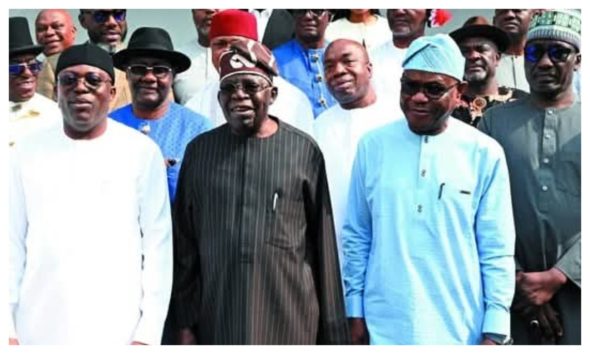
Political parties, presidential and National Assembly candidates on Tuesday signed the First National Peace Accord on issue-based campaigns for the 2027 general elections.
The parties and the candidates pledged to shun violence, hate speech, personal attacks, misinformation and other forms of conduct capable of undermining the electoral process.
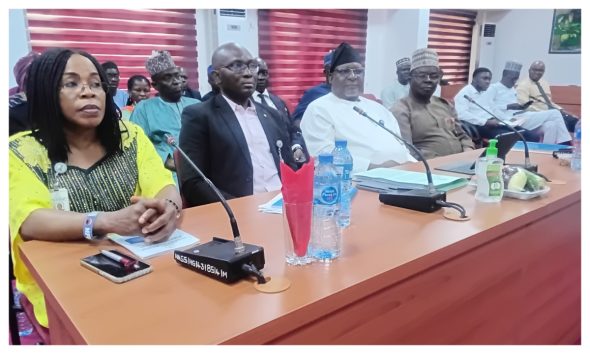
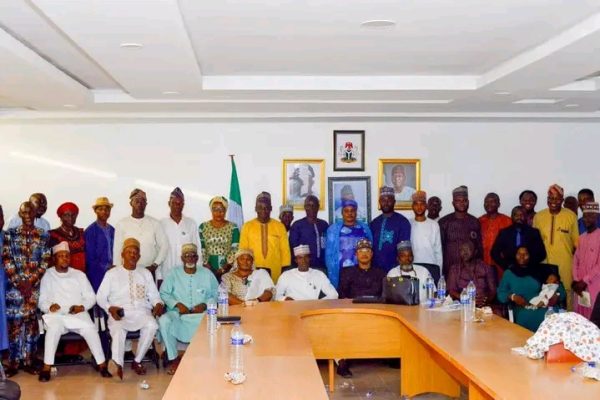
The signing ceremony, organised by the National Peace Committee in partnership with The Kukah Centre, took place in Abuja on the eve of the official commencement of campaigns for the 2027 general elections.

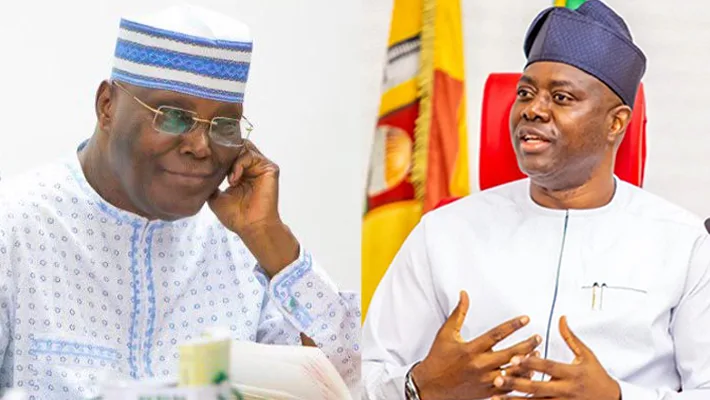
However, the event was marked by the absence of some notable opposition figures, including former Vice-President Atiku Abubakar and Oyo State Governor Seyi Makinde, who are the presidential candidates of the African Democratic Congress and the Nigeria Democratic Congress respectively.
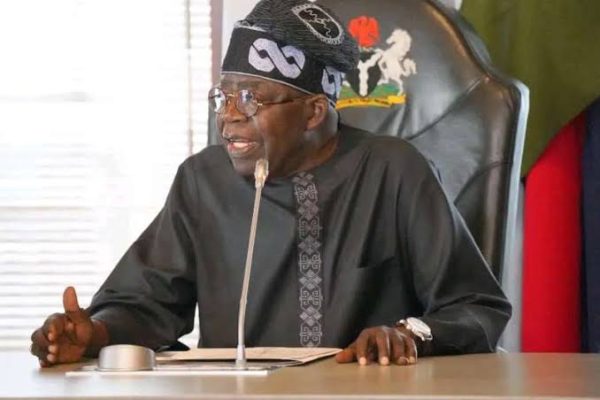
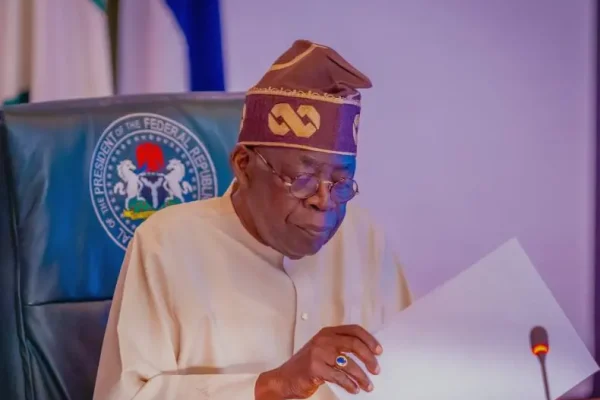
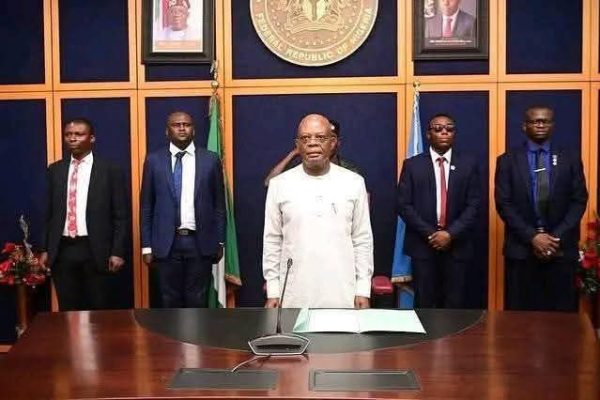
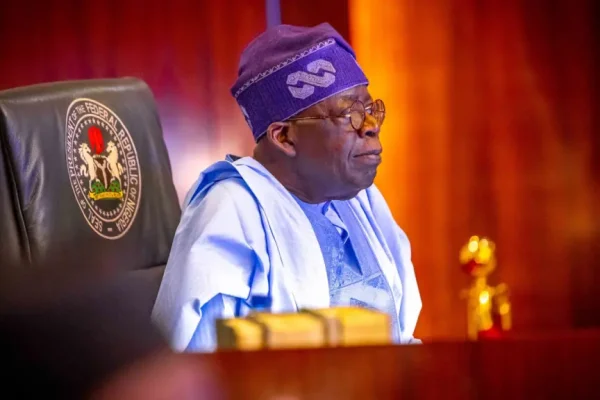
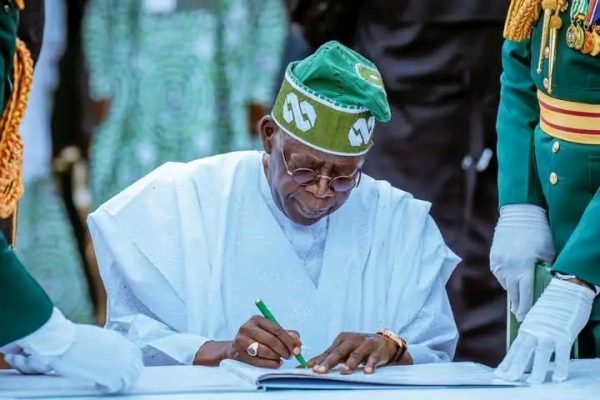
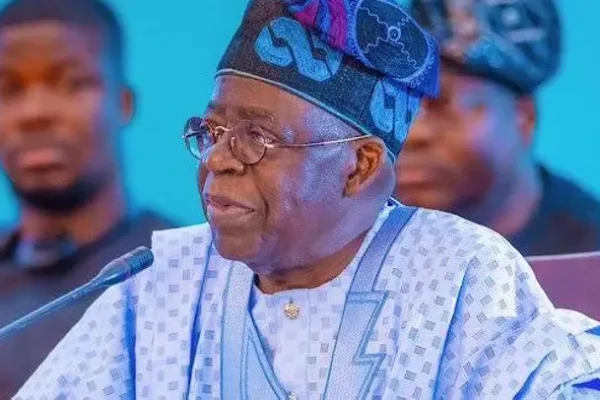
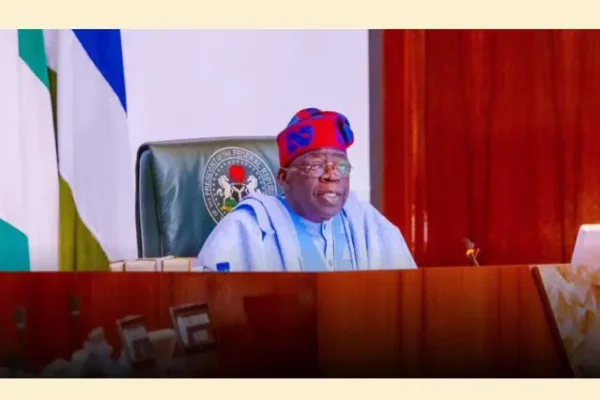
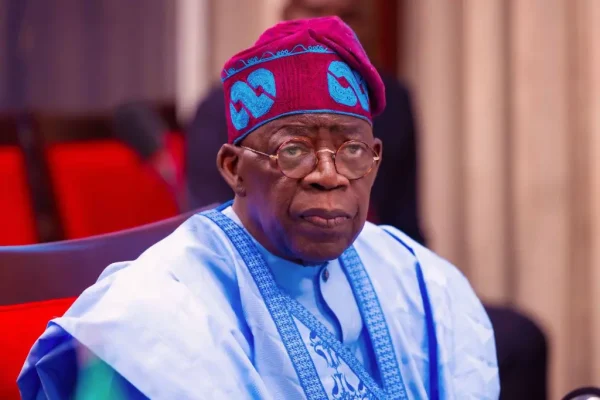
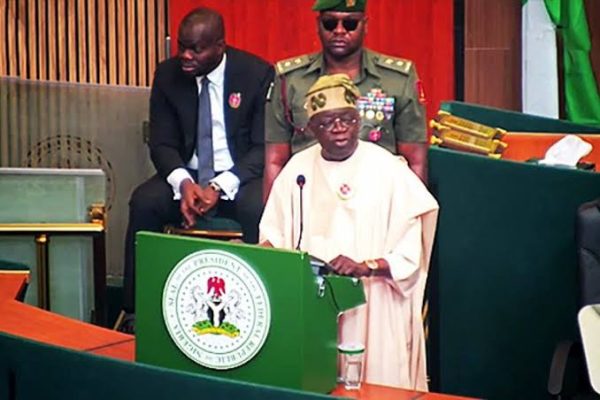
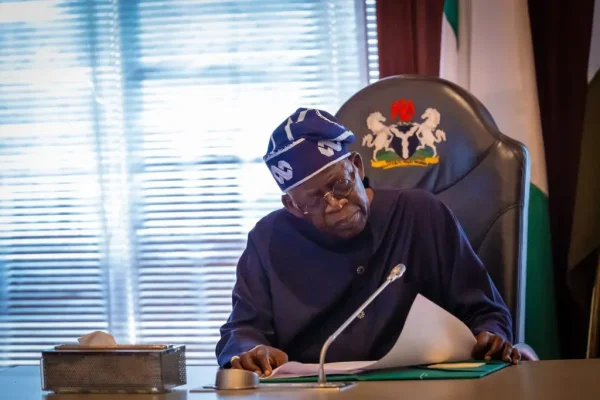
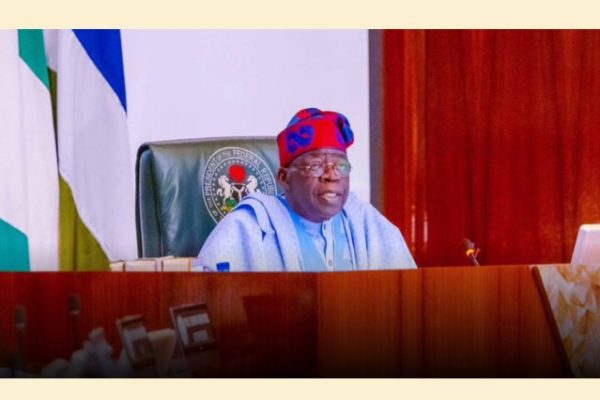
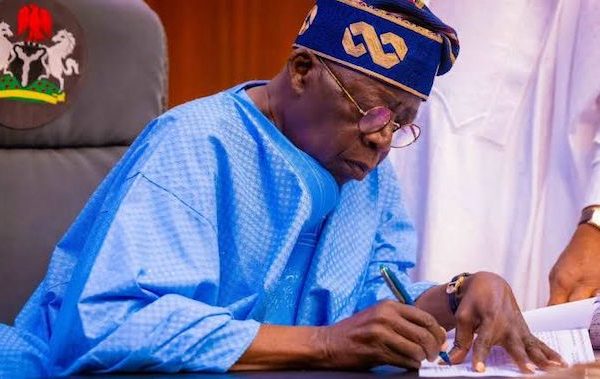
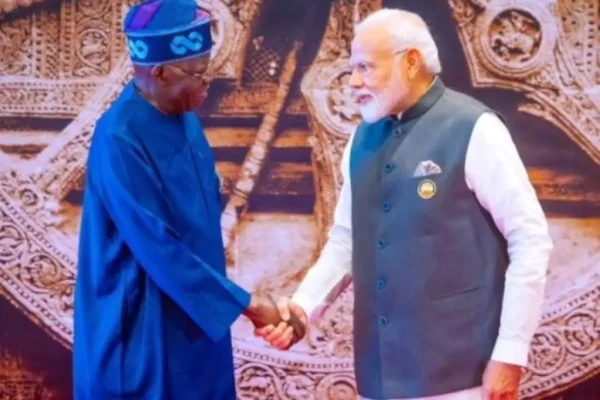
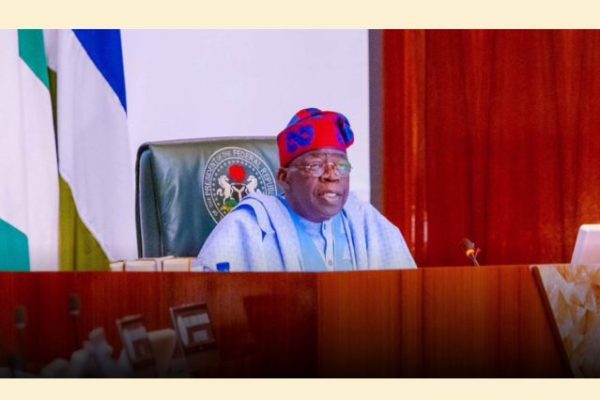
President Bola Tinubu, who is seeking re-election on the platform of the All Progressives Congress, was represented at the ceremony by the Secretary to the Government of the Federation, Senator George Akume.
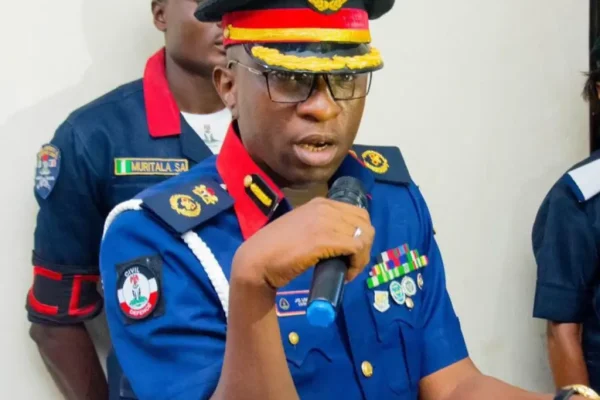
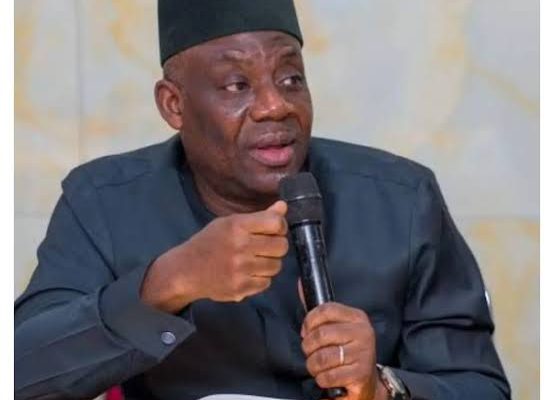
The Chairman of the Independent National Electoral Commission, Prof Joash Amupitan, and several political party leaders and presidential candidates also attended.
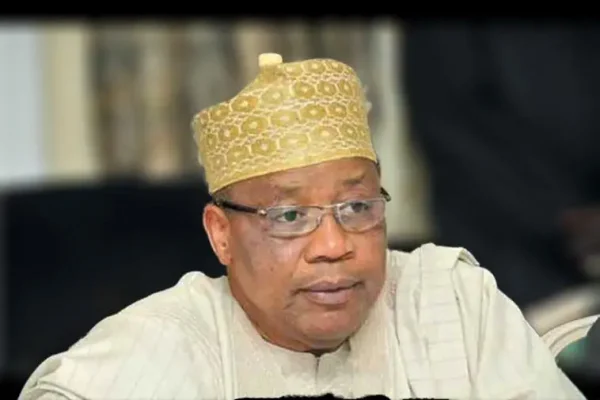
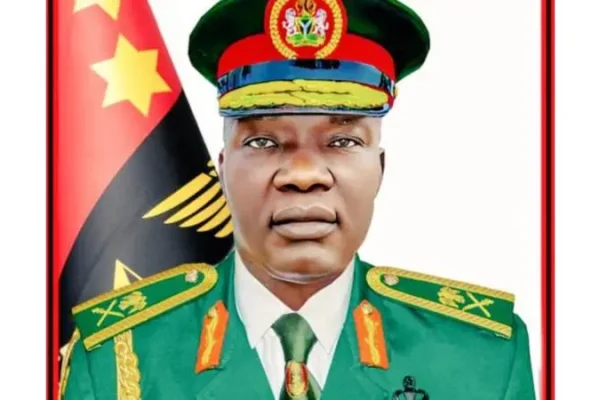
The Chairman of the National Peace Committee, former Head of State, General Abdulsalami Abubakar (retd.), was represented by former Chief of Defence Staff, General Martin Luther Agwai (retd).
The ceremony came just one day before the statutory commencement of public campaigns and rallies for the 2027 general elections, as contained in INEC’s revised timetable.
According to the electoral commission, the presidential and National Assembly elections are scheduled for January 16, 2027, while the governorship and State House of Assembly elections will hold on February 6, 2027.
Speaking on behalf of Tinubu, Akume urged political actors to place national interest above personal and partisan ambitions, saying elections should not be treated as a do-or-die affair.
He commended the National Peace Committee for sustaining its peace initiatives since 2014 and noted that the committee had played an important role in encouraging political parties and candidates to commit themselves to peaceful and issue-based campaigns.
“Signing this peace accord is a solemn pledge to the Nigerian people that we, as leaders, will put the nation’s interests above personal or partisan ambitions,” Tinubu said.
The president acknowledged the tension that often accompanies political contests in Nigeria but said the country had made considerable progress in electoral management, particularly through the adoption of technology by INEC.
He cited the introduction of the Permanent Voter Cards, the Bimodal Voter Accreditation System and electronic accreditation processes as measures that had strengthened confidence in the electoral system.
Tinubu also urged political parties to resist the temptation to exploit ethnic and religious sentiments during the campaigns.
“It is natural during campaigns to disagree as opponents and advocate competing governing missions for our country. We may exchange occasional political jabs, but as members of the same household, the same national family, we must never resort to divisive and primordial sentiments of ethnicity or religion as tools for seeking power.
“Let us campaign on superior ideas. Let us debate issues and promote the best policies to expand opportunities for our people,” he said.
The president said the APC would abide by the provisions of the accord and reject violence, hate speech, misinformation and incitement, including the use of artificial intelligence and social media to spread false information.
“We are committed to peaceful, transparent elections that will strengthen political stability, social harmony, economic progress, and our nation’s prosperity,” he said.
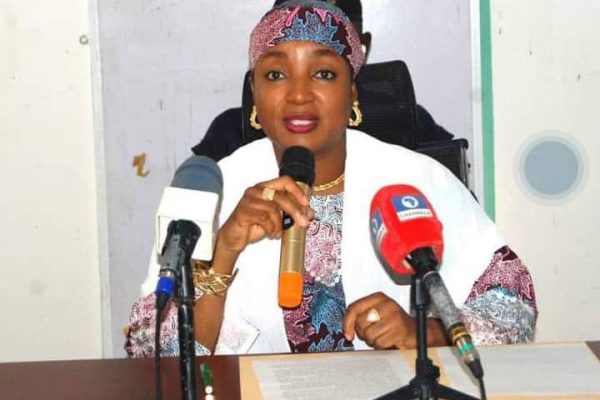
The INEC chairman, Amupitan, described the occasion as more than a ceremonial gathering, saying the accord represented a commitment by political actors to establish ethical boundaries for the contest before campaigns formally begin.
He said the timing of the ceremony was significant because it came on the eve of the commencement of campaigns.
“Tomorrow, Wednesday, August 19, 2026, marks the statutory commencement of public campaigns and rallies for the 2027 general election.
“Before the first campaign flag is unfurled, before the first rally is staged, and before political rhetoric fills our public space, it is necessary that those who seek to lead this nation first gather to establish the ethical boundaries of their contest,” he stated.
He said Nigerians were looking forward to an electoral process that would be credible and campaigns that would address the problems confronting the country rather than descend into personal attacks.
According to him, recent information gathered by the National Peace Committee’s Election Security Information Hub showed an ‘alarming resurgence’ of hate speech, toxic polarisation, coordinated misinformation and personality-driven political discourse.
Amupitan said the development required urgent attention as political parties prepare for what is expected to be one of the most fiercely contested elections since the return to democratic rule in 1999.
He urged candidates to focus their campaigns on the economy, national security, infrastructure, healthcare, education and social inclusion.
“Electoral contests in a constitutional democracy are not total wars; they are competitive job interviews before the electorate. Nigerians do not want insults; they want solutions,” he argued
The INEC Chairman also warned political parties against premature declarations of election victories and the use of digital platforms to circulate unverified information.
He said the growing influence of social media and artificial intelligence had created new challenges for election management, particularly through the spread of disinformation and what he described as foreign information manipulation and interference.
The Professor of Law challenged presidential candidates and party leaders to ensure that their supporters, campaign organisations and online teams complied with the spirit of the peace accord.
“Leadership attained at the expense of public peace, institutional integrity, or human life is a hollow victory,” he warned.
He assured political parties that INEC had no preferred candidate and would remain committed to providing a level playing field for all contestants.
“For the Commission, our moral authority to demand decorum from political actors rests squarely on our own administrative and technological preparedness,” he said.

![FA Cup: Draw for second qualifying round confirmed [Full fixtures]](https://theprimenews.ng/wp-content/uploads/2026/09/fa-cup-trophy-1000x600-1-300x200.webp)